
Chariots, Colors, and Chants: Experiencing the Soul of Nepal Through Its Festivals
Nepal is often described as a “Living Museum,” but that title is almost too quiet. To truly understand this country, you must see it in motion. You must hear the rhythmic clash of Newari cymbals, see the sky-high wooden chariots swaying through narrow alleys, and feel the dust of red vermillion powder on your skin.
In Nepal, festivals (Jatras) are not just holidays; they are the heartbeat of the community. In this guide, we explore the major festivals of 2026, offering you a roadmap to the most soul-stirring celebrations on Earth.
1. Dashain: The Great Victory
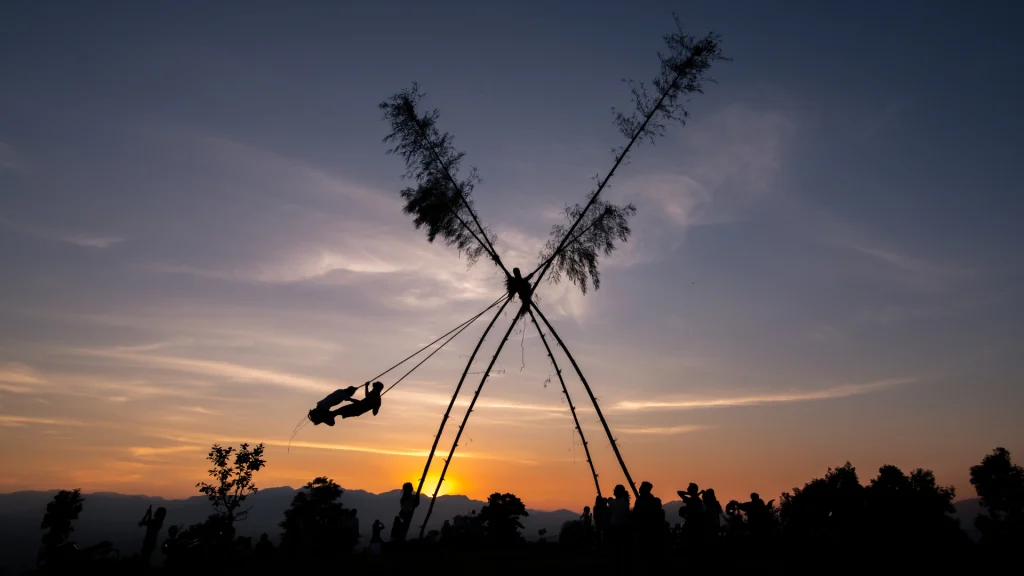
Dashain is the longest and most significant festival in Nepal. It symbolizes the victory of Goddess Durga over the demon Mahishasura—the triumph of good over evil.
The Experience: This is a time of family reunions and massive bamboo swings (Linge Ping) erected in every village.
The Highlight: Vijaya Dashami (October 21). On this day, elders put Tika (a mixture of rice, yogurt, and vermillion) on the foreheads of the younger generation as a blessing.
Photographer’s Tip: Capture the vibrant kites flying against the backdrop of the clear, post-monsoon blue skies of Kathmandu.
2. Tihar: The Festival of Lights
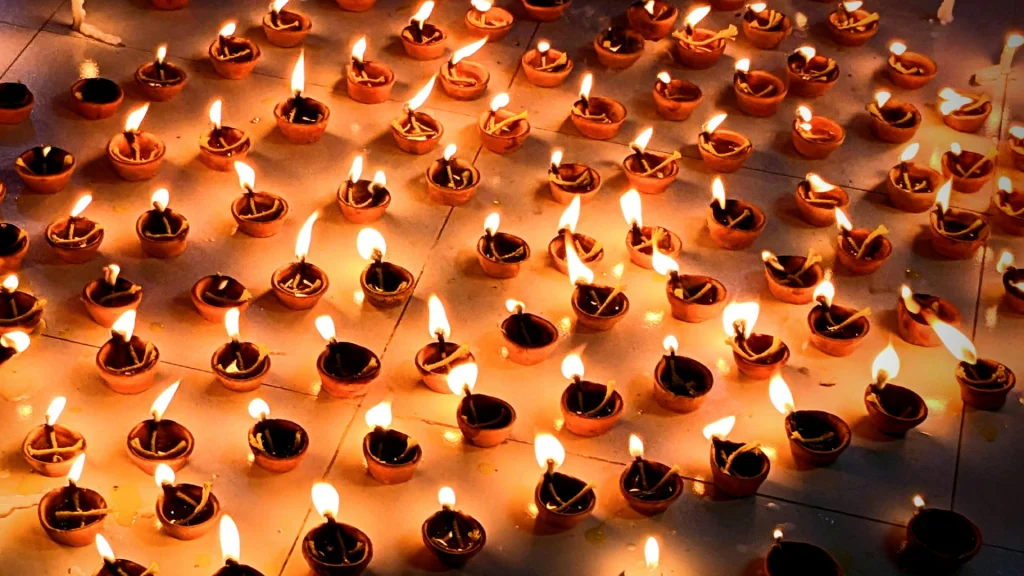
If Dashain is about the family, Tihar is about the bond between humans, animals, and the divine.
The Rituals: Over five days, Nepalis worship crows, dogs, cows, and finally, brothers (Bhai Tika).
The Atmosphere: On the night of Laxmi Puja (November 9), the entire Kathmandu Valley is transformed into a sea of flickering oil lamps and colorful LED lights to welcome the Goddess of Wealth.
The Soul: Watch the intricate Rangoli patterns being drawn on doorsteps to invite prosperity.
3. Indra Jatra: The Chariot of the Living Goddess
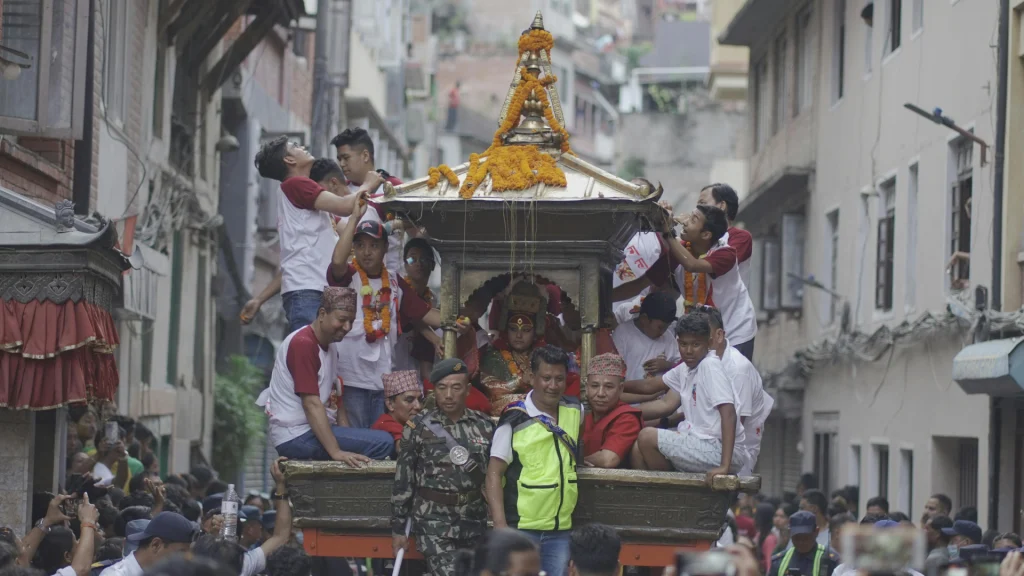
This is the most spectacular street festival in Kathmandu Durbar Square. It marks the end of the monsoon and honors Indra, the King of Heaven.
The Main Event: The pulling of the massive chariot of the Kumari (the Living Goddess).
The Energy: Masked dancers known as Lakhes dance through the streets to the thunderous sound of traditional drums.
The Logic: This festival perfectly captures the Newari heritage of the valley, blending ancient myths with high-energy street performances.
4. Holi: The Festival of Colors
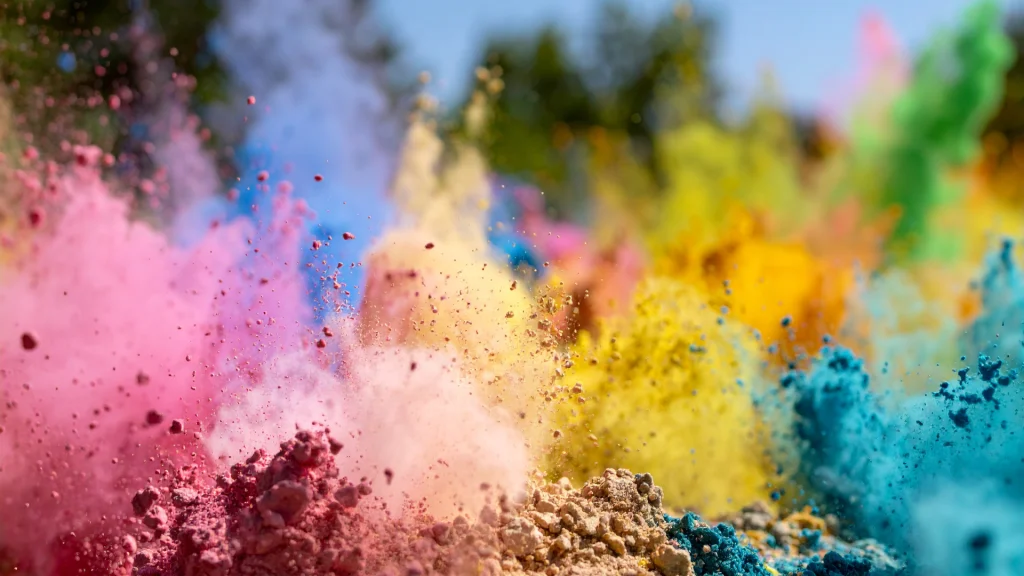
Holi is the ultimate celebration of spring and the destruction of the demoness Holika.
The Celebration: Expect to be drenched in water and covered in every color of the rainbow. In the hills (Kathmandu/Pokhara), it is celebrated on March 2nd, while the Terai celebrates on the 3rd.
Where to be: Basantapur Durbar Square is the epicenter of the celebrations, featuring live music and thousands of people celebrating in unity.
5. Bisket Jatra: The Ancient Tug-of-War
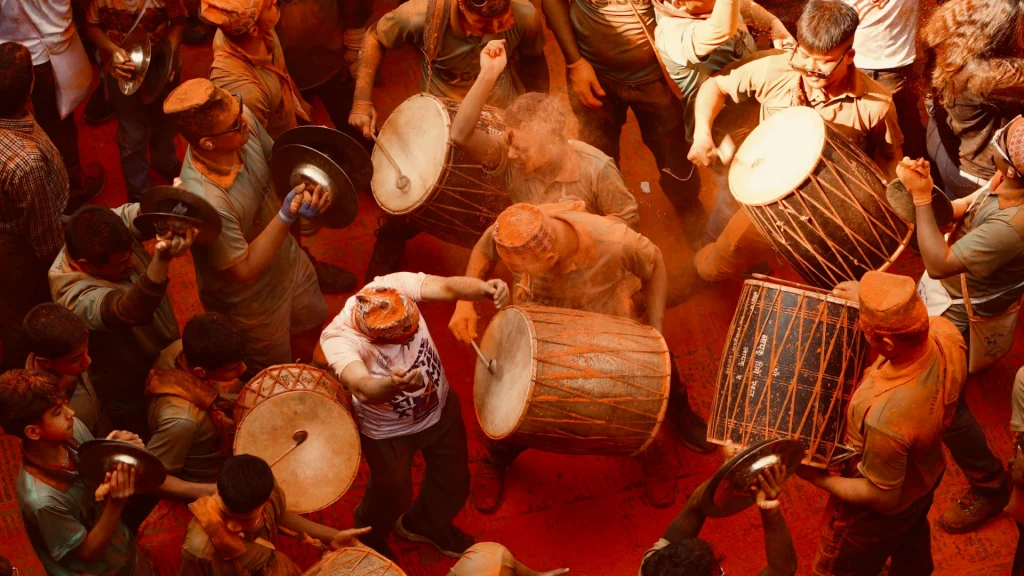
Celebrated in Bhaktapur, this festival marks the Nepali New Year (Bikram Sambat).
The Engineering: A massive, multi-story wooden chariot of Lord Bhairav is pulled through the cobblestone streets.
The Drama: A fierce tug-of-war takes place between the upper and lower parts of the city to see who gets to pull the chariot to their side.
The Symbol: The erection of a 55-foot tall wooden pole (Yoh Si), which is brought down the next day to mark the start of the New Year.
6. Buddha Jayanti: Peace at the Source
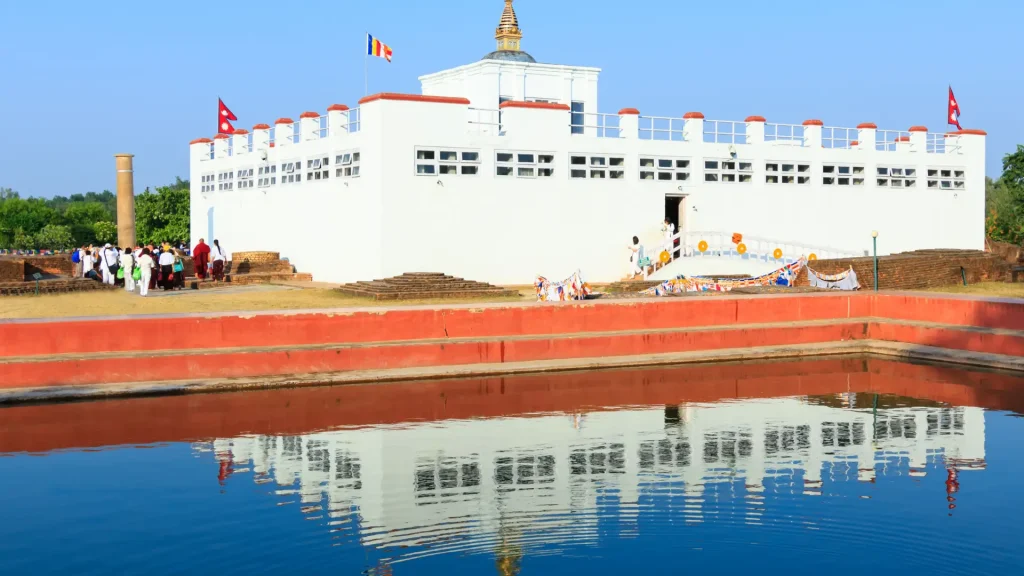
While other festivals are loud and chaotic, Buddha Jayanti is a day of profound serenity.
The Locations: While celebrated nationwide, the most powerful experiences are at Lumbini (the birthplace of Buddha) and the Swoyambhunath and Boudhanath stupas.
The Vibe: Thousands of butter lamps are lit, and monks dressed in saffron robes chant prayers for world peace.
The Math Behind the Mystery: Why do dates change?
As a developer, you might wonder why Holi is in March one year and February the next. Nepal’s festivals follow the Lunar Calendar (Panchanga). Dates are decided based on Tithis (lunar days) rather than the fixed solar dates used in the West. This ensures that festivals like Dashain always coincide with the harvest and Tihar always falls on a new moon.
Tips for Experiencing Nepal’s Festivals
Plan Ahead: During Dashain and Tihar, domestic flights and buses book up weeks in advance.
Respect the Ritual: Always ask before taking photos of people during their private prayers or rituals.
Dress Appropriately: Wear modest clothing, and if you’re joining Holi, wear clothes you don’t mind throwing away!
Join the Feast: Festivals are the best time to try authentic Newari cuisine like Samay Baji or the sweet Sel Roti.
Witness the Magic with Nirvana Journeys
At Nirvana Journeys, we believe that a festival is the best “lens” through which to see the soul of Nepal. We specialize in creating custom itineraries that place you at the center of these celebrations—whether it’s a private photography tour of Tihar or a spiritual journey to Lumbini for Buddha Jayanti.