



-
Kathmandu
-
Kathmandu
-
Guided
-
BLD
-
Available
Trek Overview
Are you torn between wanting a deep cultural experience and craving high-mountain views? You don’t have to choose. The 11-Day Tamang Heritage Trek is a hybrid journey that offers the best of both worlds.
Unlike the standard Langtang Valley trek, this route begins by taking you “off the beaten path” into the heart of the Tamang hinterlands—ancient villages like Gatlang and Thuman that sit close to the Tibetan border. After soaking in the rich culture and natural hot springs, the trail seamlessly connects with the classic Langtang route, leading you up to the majestic Kyanjin Gompa.
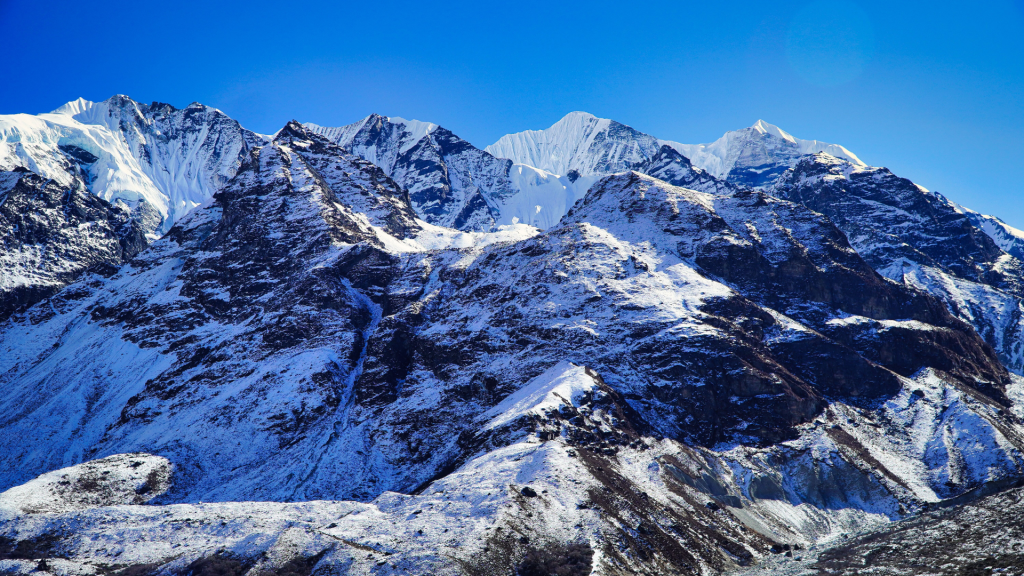
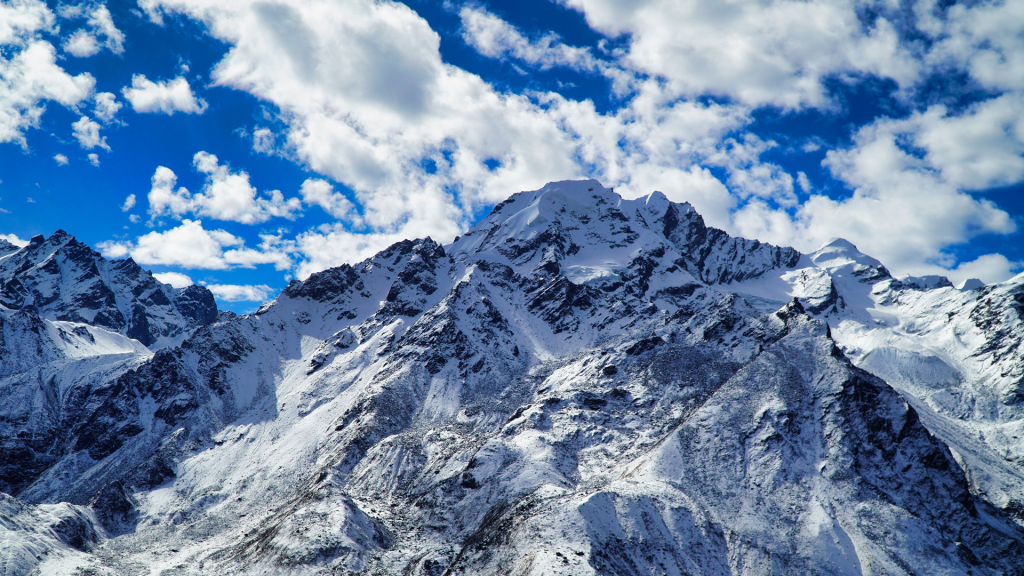
From the distinct architecture of the “Black Village” to the glaciers of Langtang Lirung, here is your complete guide to this spectacular 11-day adventure.
Trek Overview
Region: Langtang Region (North of Kathmandu)
Duration: 11 Days
Max Altitude: 3,870m / 12,697ft (Kyanjin Gompa)
Walking Hours: 5–7 hours daily
Difficulty: Moderate
Accommodation: Homestays (Heritage Trail) & Tea Houses (Langtang Valley)
Permits: TIMS Card & Langtang National Park Entry Permit
Trek Highlights
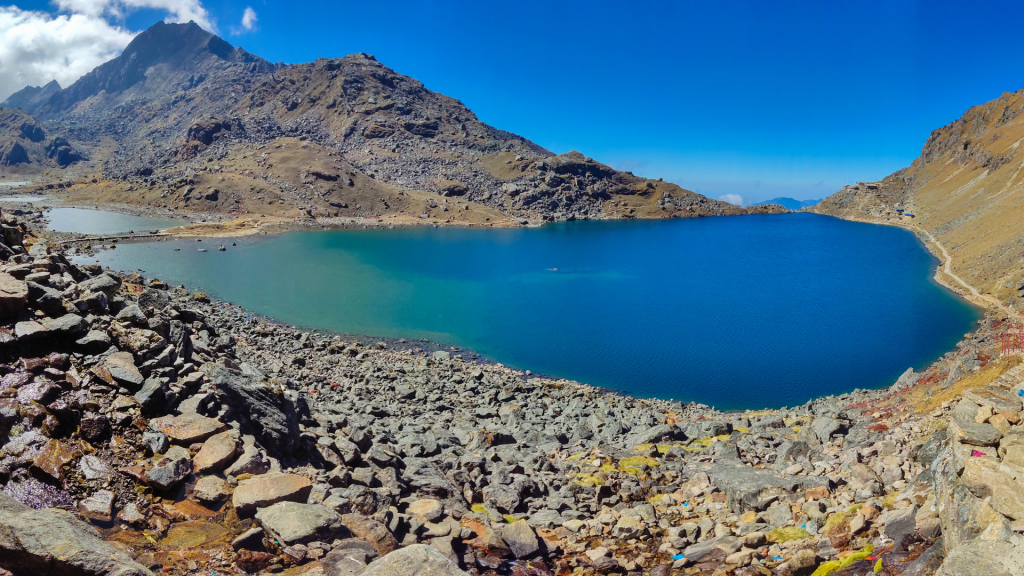
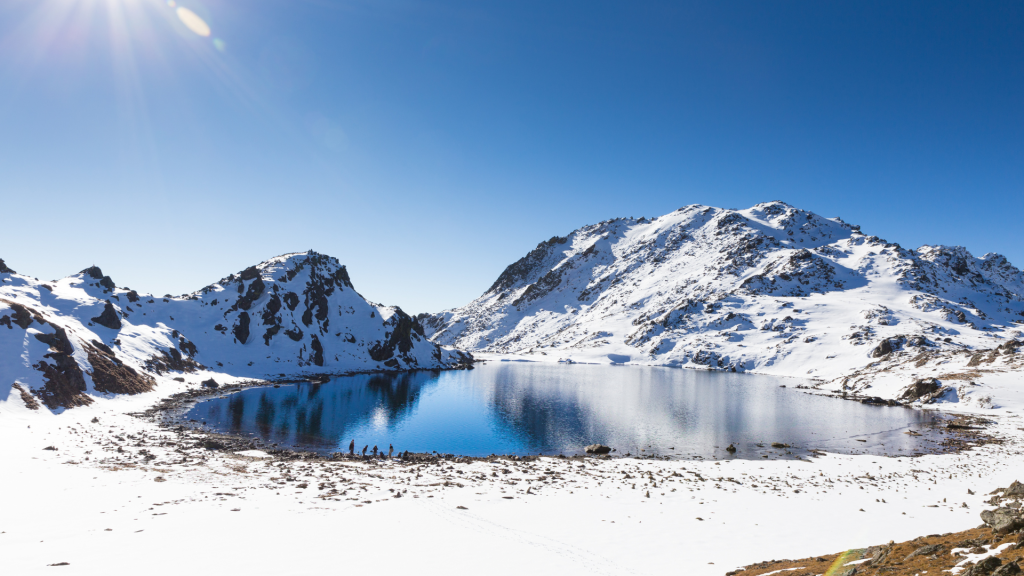
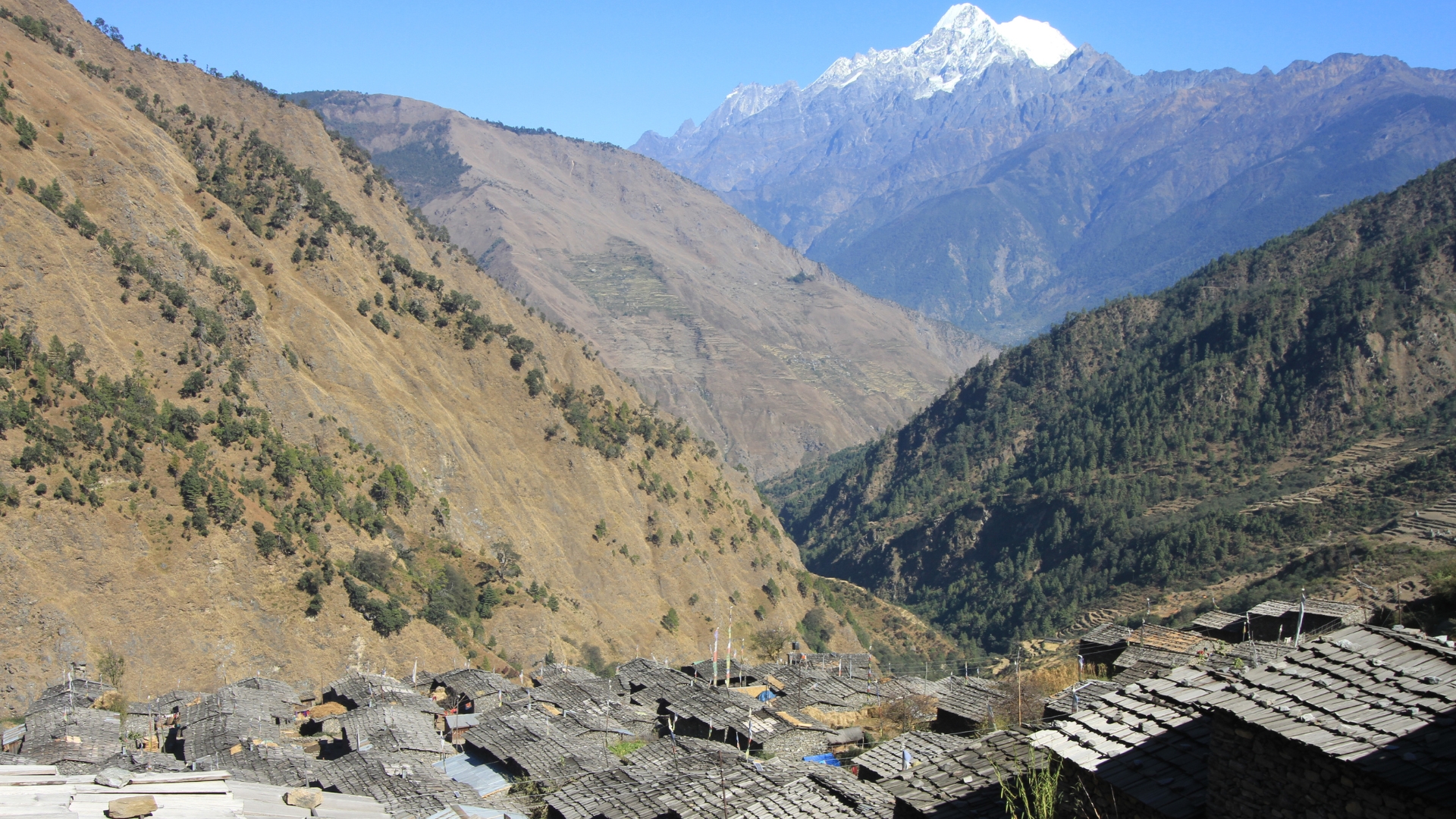
Gatlang (The Black Village): Explore this traditional village famous for its houses with black slate roofs and the nearby Parvati Kunda (lake).
Tatopani Hot Springs: Soak your tired muscles in natural thermal springs while looking out over the mountains.
Nagthali Ghyang: A high open grassland offering one of the best panoramic views of Langtang Lirung, Ganesh Himal, and the Tibetan ranges.
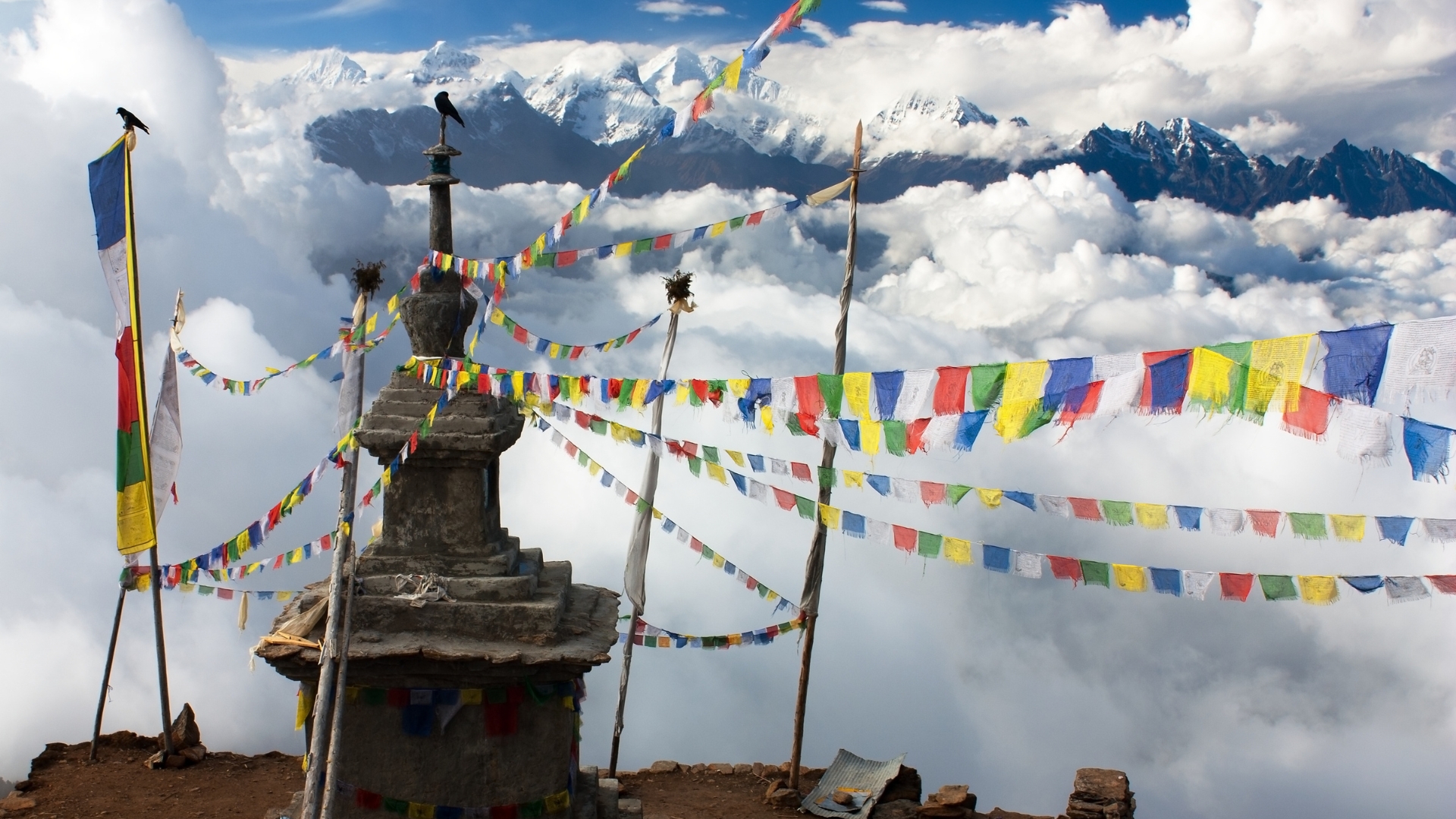
Cultural Immersion: Experience the unique hospitality, costumes, and lifestyle of the Tamang people, who trace their lineage to Tibet.
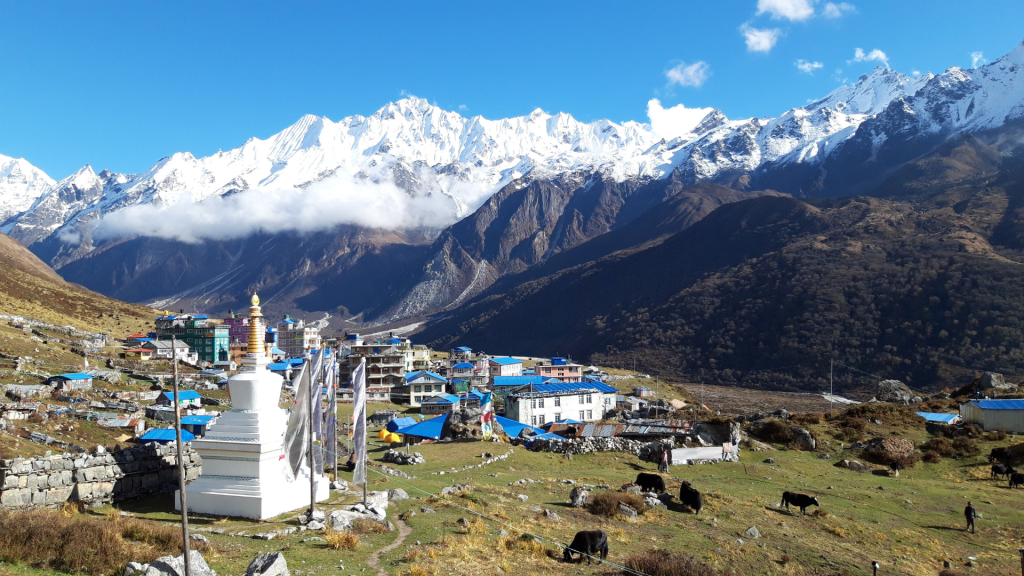
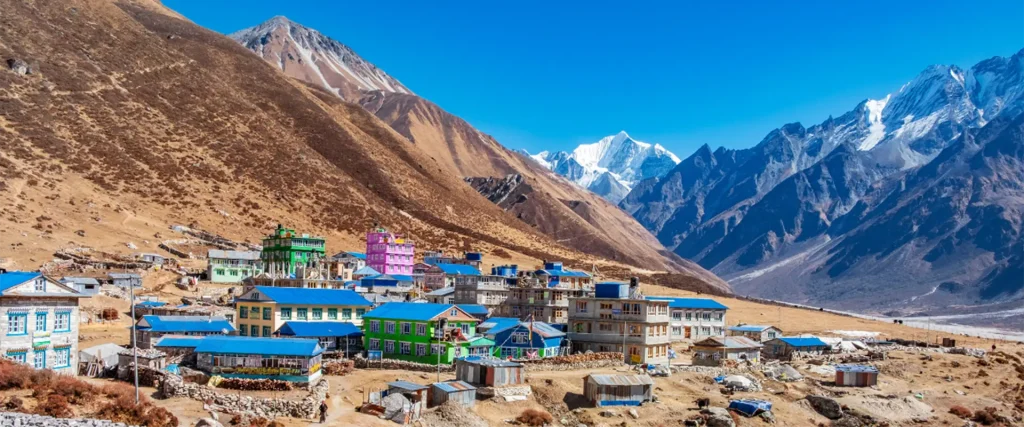
Kyanjin Gompa: Visit the ancient monastery and the famous Yak Cheese Factory at the top of the Langtang Valley.
Hybrid Experience: The perfect mix of community-based homestays and classic tea house trekking.
Best Time and Season
To experience the culture and views at their peak, choose your timing wisely.
Spring (March to May)
The lower Heritage trails are ablaze with blooming rhododendrons (red, pink, and white). The weather is mild, making the cultural villages very pleasant to explore.
Autumn (September to November)
This is the season for crystal-clear mountain views. The monsoon haze lifts, revealing sharp peaks. Major festivals like Dashain often occur during this time, adding a festive spirit to the villages.
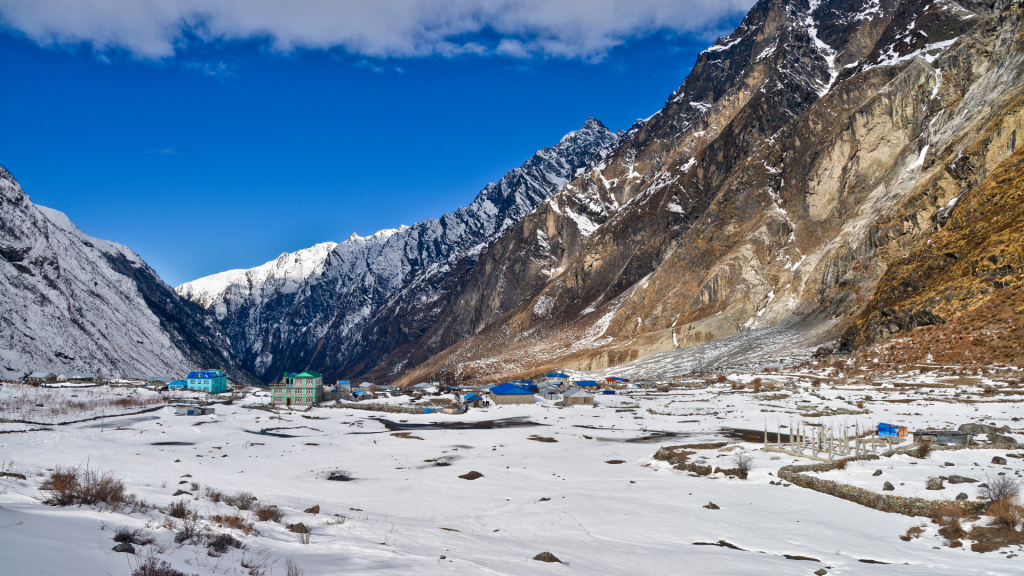
Note: Winter (Dec-Feb) is possible but cold, especially in Kyanjin. Monsoon (Jun-Aug) brings leeches and rain, though the greenery is lush.
Trek Difficulty: How Hard is it?
This trek is graded as Moderate.
Terrain: The Tamang Heritage section involves significant “Nepali Flat” (lots of ups and downs) across ridges. The Langtang section is a steady ascent up a river valley.
Altitudes: The Heritage section stays mostly below 3,000m, which helps with acclimatization before you push to 3,870m in Kyanjin Gompa.
Fitness: No technical skills are needed, but you must be able to walk for 6 hours a day with a light backpack.
How to Train for the Trek
Cardio is Key: Start running, cycling, or swimming 4-6 weeks before the trip to build endurance.
Stair Climbing: The trail to Gatlang and Thuman involves many stone steps. Practice on stairs with a weighted pack.
Leg Strength: Do squats and lunges to prepare your quads for the descents.
Things to Consider Before the Trek
Accommodation Style: On the Heritage side (Gatlang/Briddim), you will often stay in Homestays. These are simpler than commercial lodges but offer a warmer, more authentic experience.
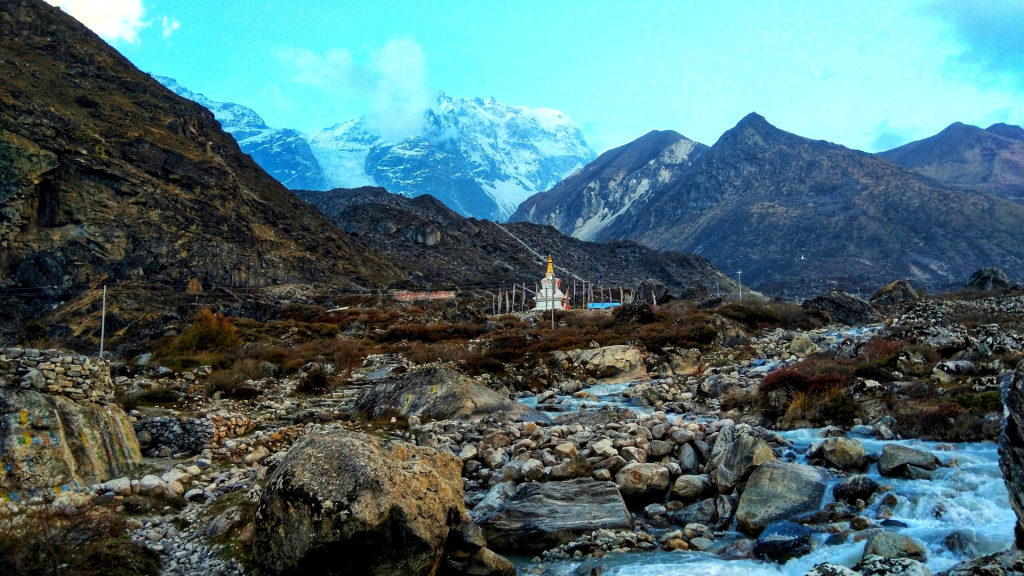
Respect Local Culture: The Tamang people follow Tibetan Buddhism. Always walk clockwise around Mani walls and Chortens.
Cash: There are no ATMs after Dhunche/Syabrubesi. Carry enough Nepali Rupees for the entire 11 days.
Connectivity: NTC (Namaste) sim cards usually work better in this region than Ncell.
Detail Itinerary
Duration: 7–8 hrs Drive
Overview: The journey begins with a long but scenic drive. You will head north out of Kathmandu along the winding Pasang Lhamu Highway. As you climb over ridges, you will get your first glimpses of Ganesh Himal, Manaslu, and the Langtang range. The road descends to Trishuli Bazaar and continues to Dhunche (District HQ) before dropping sharply down to Syabrubesi, a bustling town at the confluence of the Bhote Koshi and Langtang rivers.
Duration: 5–6 hrs
Overview: The trek starts with a zig-zag climb to the viewpoint at Rongga Bhanjyang. From here, you get a stunning panorama of the Ganesh Himal range. The trail then descends to the Goljang Valley (often a lunch stop) before continuing to Gatlang.
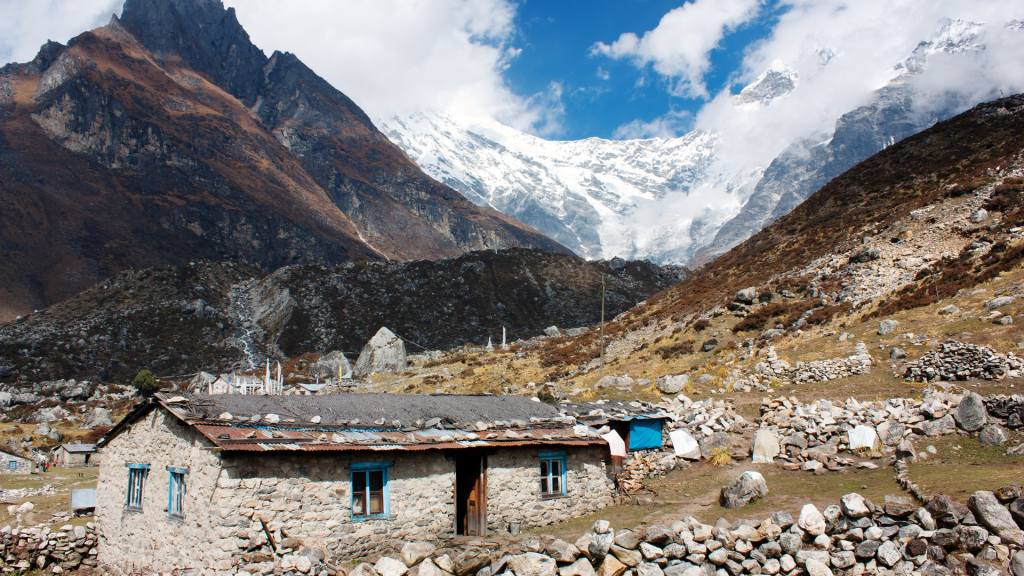
Highlight: Gatlang is a large Tamang village built on a hillside. It is known as the "Black Village" because of its black slate stone roofs. You can visit the Parvati Kunda (sacred lake) and an ancient monastery here.
Duration: 6–7 hrs
Overview: You begin with a descent to Thangbuchet, located near the Bhote Koshi River. You might see the Chilime Hydropower dam here. After crossing a suspension bridge, the trail climbs steeply up terraced hills to Gonggang. From there, it is a further ascent to reach Tatopani.
Highlight: "Tatopani" literally means "Hot Water." Spending the evening soaking in the natural hot springs here is the perfect cure for your tired trekking legs.
Duration: 5–6 hrs
Overview: This is a scenic highlight of the trip. You climb through dense alpine forests to reach Nagthali Ghyang (3,165m), a high open meadow that was once a meditation center for monks. It offers the best 360-degree views of the trek. After enjoying the view (and lunch), you descend steeply to Thuman.
Highlight: Thuman is a village with strong Tibetan influence. The people here are known for their Shamanistic beliefs and distinct traditional costumes.
Duration: 5–6 hrs
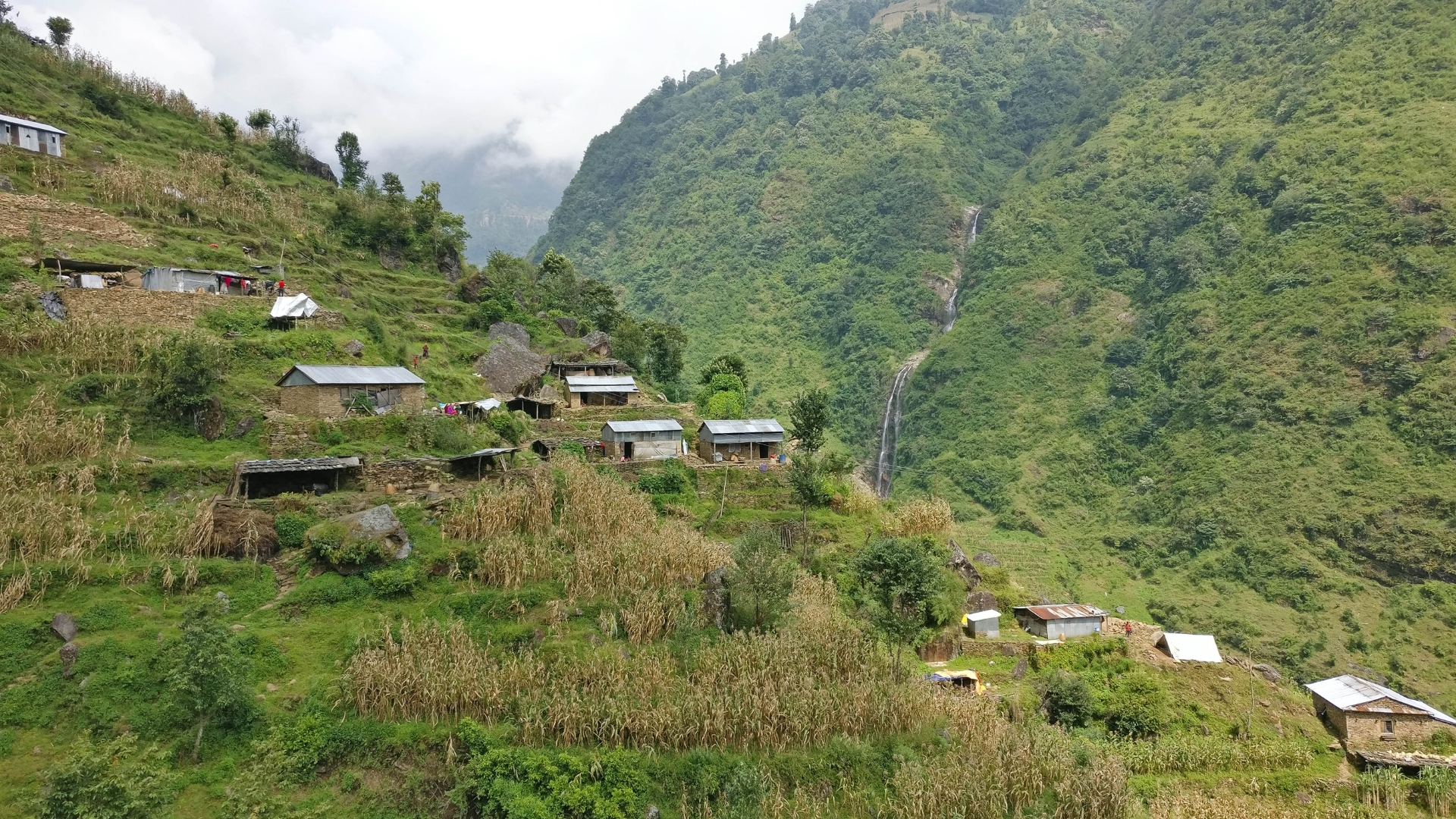
Overview: Today involves a significant "down and up." From Thuman, you trek down to the Bhote Koshi River and cross a suspension bridge. You then begin a steep climb up to Lingling, a small settlement often used for lunch. From Lingling, the trail continues to traverse the ridge, passing beautiful waterfalls and rhododendron forests before reaching Briddim.
Highlight: Briddim is a unique village where houses are built in a Z-shape to protect against the wind, a style directly influenced by Tibet. You will likely stay in a community-run homestay here.
Duration: 5–6 hrs
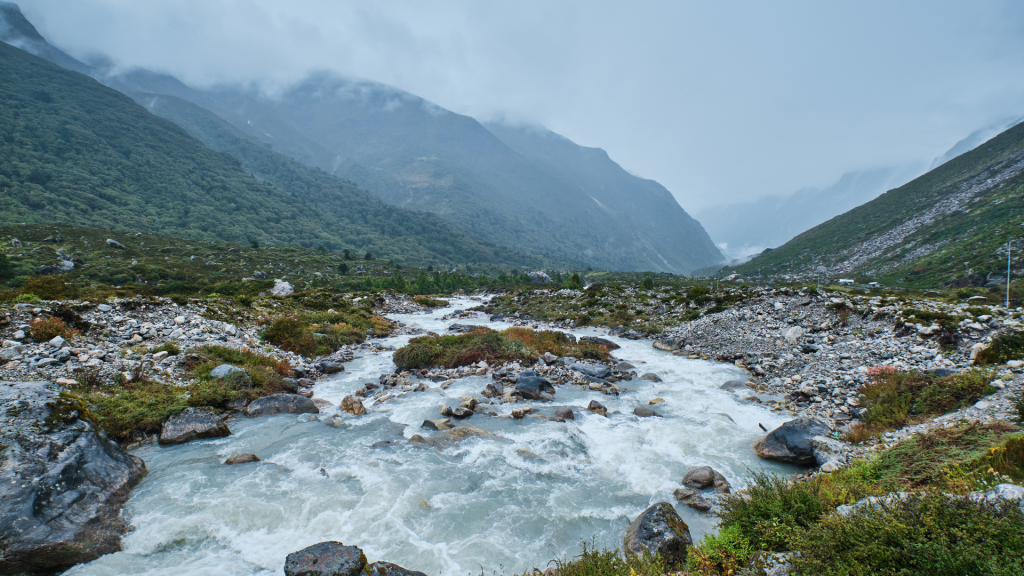
Overview: Today you leave the "Heritage" trail and join the standard Langtang Valley route. The path descends through a beautiful forest of pine and rhododendron to the banks of the Langtang Khola. You follow the river upstream, passing Bamboo before reaching the cluster of lodges known as Lama Hotel.
Highlight: Keep your eyes peeled for Langur monkeys and colorful birds in the dense forest.
Duration: 6–7 hrs
Overview: The day starts with a climb through hemlock and maple forests. As you reach Ghodatabela (Horse Stable), the dense forest clears, and the valley opens up into a classic U-shaped glacial valley. You will pass water-driven prayer wheels and yak pastures before arriving at the new Langtang Village.
Highlight: Witnessing the resilience of the locals who rebuilt their village after the devastating 2015 earthquake.
Duration: 4–5 hrs
Overview: A shorter, scenic walk to aid acclimatization. You will pass the largest Mani wall in Nepal (stone wall with prayers carved into it). The trail winds through yak pastures with giant snowy peaks towering above you. You arrive at Kyanjin Gompa by lunchtime.
Highlight: Exploring the ancient monastery and visiting the local Yak Cheese Factory to taste fresh yak cheese.
Duration: 5–6 hrs
Overview: If you are energetic, wake up early to hike Kyanjin Ri (4,773m) for sunrise views over the glaciers. After breakfast, you retrace your steps back down the valley. The descent is much faster and easier on the lungs. You will pass through Langtang Village and Ghodatabela before reaching Lama Hotel.
Duration: 4–5 hrs
Overview: Continue descending through the lush green forests. The air gets richer in oxygen and warmer as you drop in altitude. You will follow the river back down to Syabrubesi, completing your trekking circuit.
Highlight: A final celebratory dinner with your guide and porters to mark the end of the journey.
Duration: 8–9 hrs Drive
Overview: Board your jeep or bus for the drive back to Kathmandu. Relax and reflect on the incredible journey as you wind your way back to the city.
Necessary Equipment & Gear
Footwear: Broken-in waterproof hiking boots.
Clothing: Layers are essential. Thermal base layers, fleece, and a down jacket (evenings are cold).
Rain Gear: A lightweight poncho or rain jacket.
Sleeping Bag: Rated to -10°C or -15°C (homestays can be drafty).
Toiletries: Quick-dry towel, hand sanitizer, toilet paper, and water purification tablets.
Extras: Headlamp, trekking poles (highly recommended for the steep ridges), and a power bank.
Includes/Excludes
Cost Includes
- Airport Pick-up and Drop-off service by private vehicle.
- Transportation from Kathmandu to Syabrubesi and back (Local Bus or Private Jeep depending on package).
- Langtang National Park Entry Permit.
- TIMS (Trekkers' Information Management Systems) Card.
- Licensed English-speaking Trekking Guide.
- Porters to carry your luggage (usually 1 porter for every 2 trekkers).
- Food, accommodation, salary, insurance, and equipment for the guide and porters.
- Accommodation during the trek (Tea houses and Homestays).
- 3 Meals a day (Breakfast, Lunch, and Dinner) while on the trek.
- Basic First Aid Kit and Oximeter.
- Duffel bag and sun hat (often provided as souvenirs by agencies).
- Government taxes and official service charges.
Cost Excludes
- International Airfare and Nepal Visa fees.
- Travel Insurance (Mandatory: Must cover emergency helicopter rescue up to 4,000m).
- Meals (Lunch and Dinner) while in Kathmandu.
- Hotel accommodation in Kathmandu (unless specified).
- Personal trekking gear and equipment (boots, sleeping bags, jackets, etc.).
- Personal expenses such as:
- WiFi / Internet usage
- Battery charging fees
- Hot showers in tea houses
- Mineral water, boiled water, soft drinks, and alcohol
- Tips for the Guide and Porters (Tipping is customary in Nepal culture).
- Any extra costs due to unforeseen circumstances (landslides, road blocks, flight cancellations, etc.).