
Overview
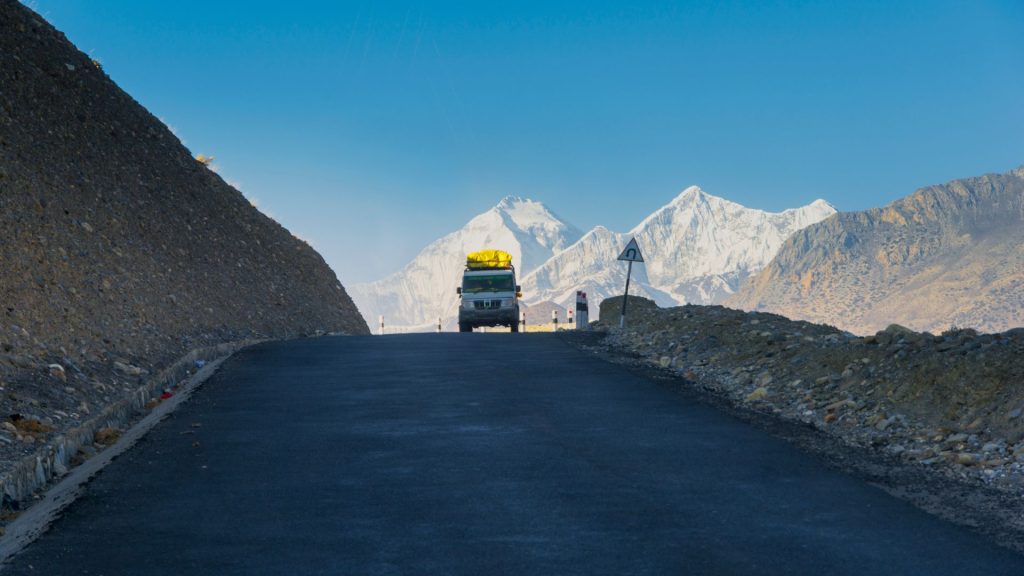
The Ghorepani Ghandruk Trek, widely known as the Annapurna Panorama Circuit or the Poon Hill Loop, is one of Nepal’s quintessential Himalayan walking journeys. Offering a balanced blend of dramatic 8,000-meter peaks, dense rhododendron forests, and genuine Gurung hospitality, this moderate 7-day itinerary from Kathmandu delivers all the magic of trekking in Nepal without the severe risks of extreme altitude.
Winding through the lower Annapurna Conservation Area, the Ghorepani–Ghandruk route forms a scenic horseshoe loop starting and ending near Pokhara. It combines the world-famous sunrise vantage point of Poon Hill (3,210 m / 10,531 ft) with the cultural heritage of Ghandruk, a picturesque slate-roofed village settled by the indigenous Gurung community.
Trek Highlights
360-Degree Himalayan Panorama: Watch the morning sun ignite the sheer faces of Dhaulagiri (8,167 m), Annapurna I (8,091 m), Annapurna South (7,219 m), Hiunchuli, and the sacred fishtail peak of Machhapuchhre (6,993 m).
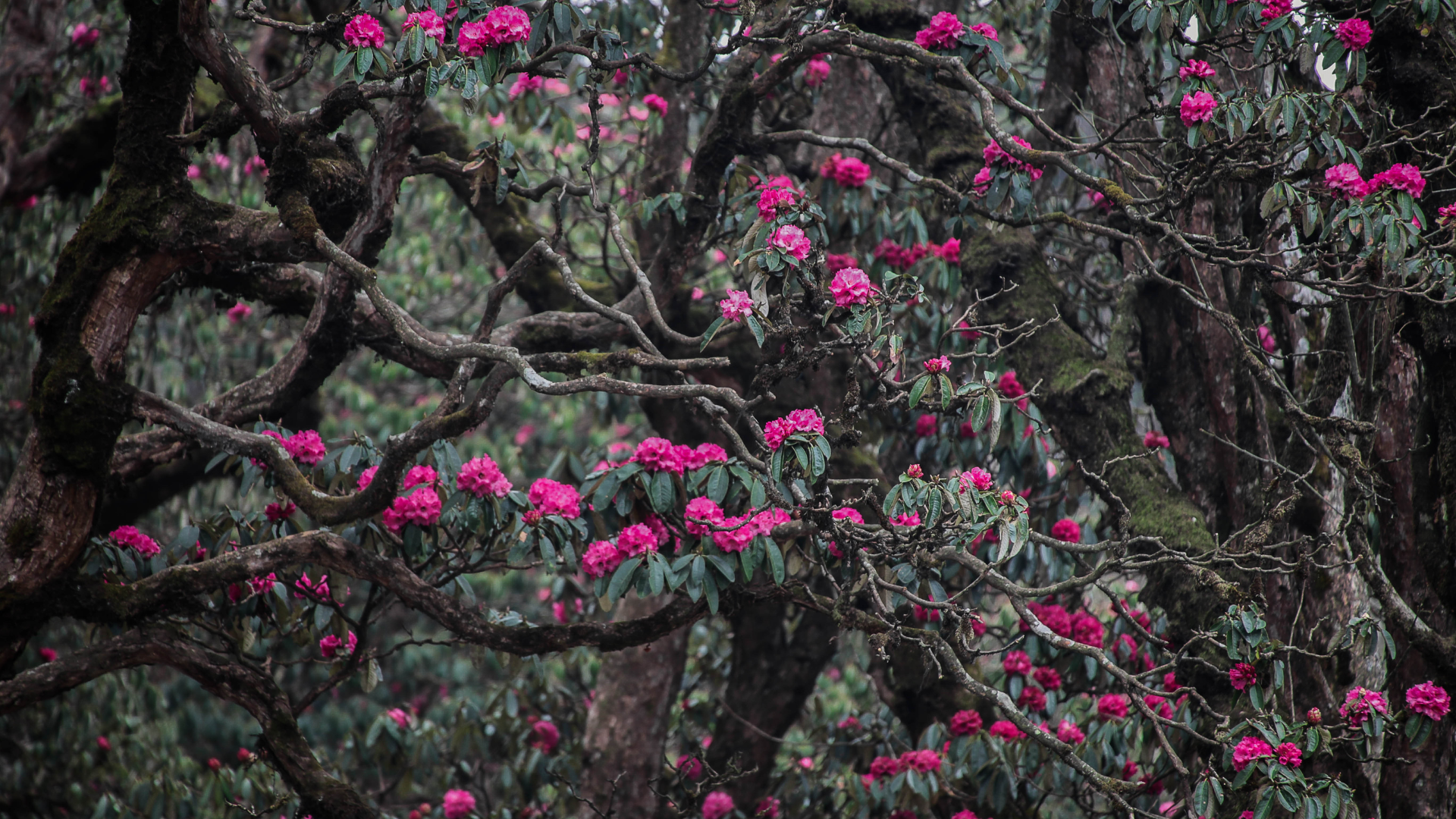
The Magical Rhododendron Canopy: Walk beneath centuries-old rhododendron and oak woodlands, which explode into vibrant crimson, pink, and white blossoms in the spring.
Authentic Gurung Culture: Spend time in Ghandruk exploring stone-paved alleys, visiting community museums, and interacting with families renowned for their bravery in the British and Indian Gurkha regiments.
Accessible Mountain Trails: Experience classic teahouse trekking with comfortable hot meals and cozy rooms every night—no technical mountaineering or wilderness camping required.
Top Attractions of the Trek
Poon Hill Viewpoint (3,210 m)
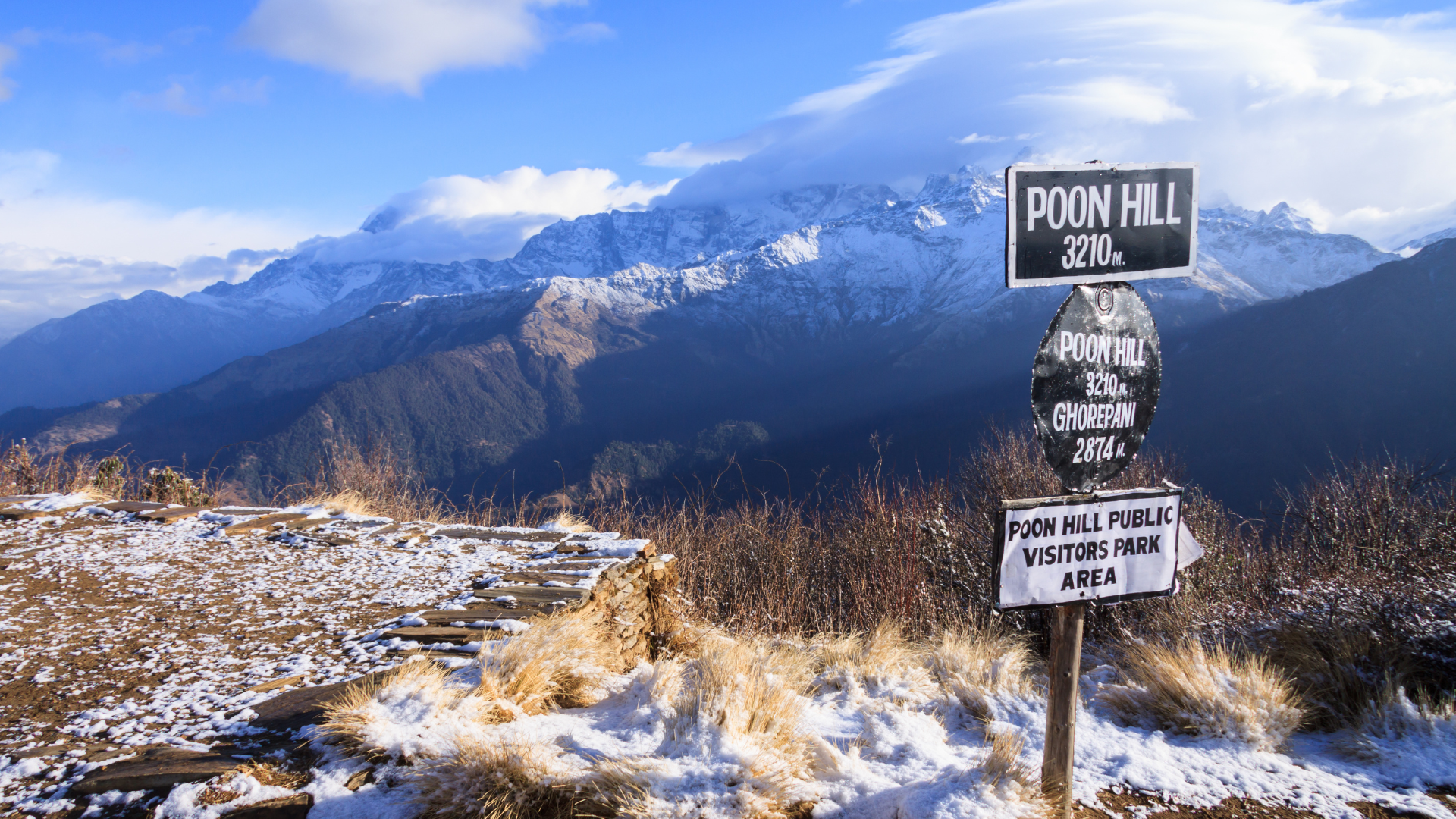
Poon Hill is celebrated as one of the best sunrise spots on earth. A pre-dawn climb leads to a vantage point spanning two distinct eight-thousanders: the Dhaulagiri massif to the west and the Annapurna range straight ahead.
Ghandruk Village (1,940 m)
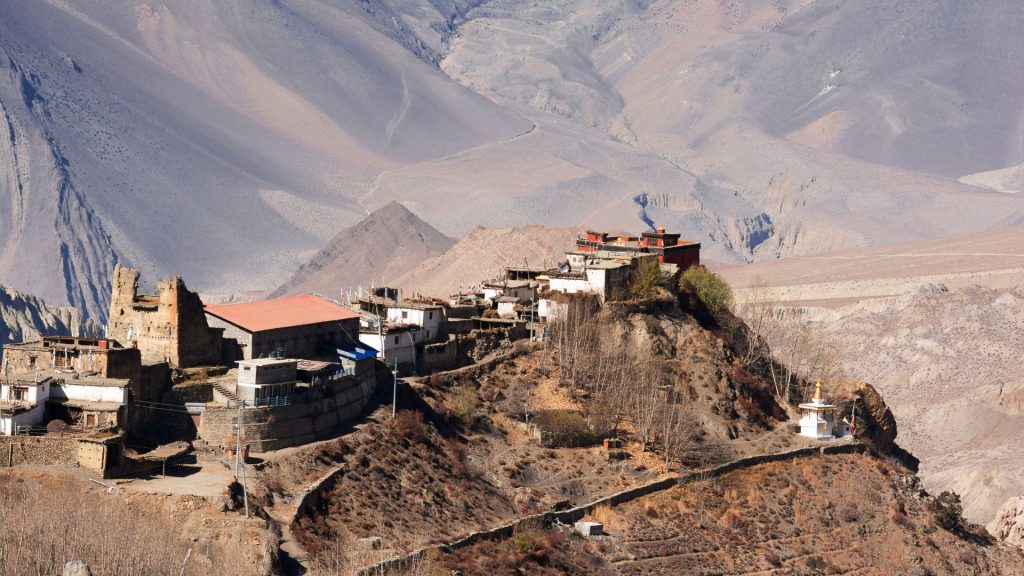
Ghandruk is the spiritual and cultural heartland of the Gurung people. Slate-paved streets, stone houses with carved wooden window frames, and terraced millet fields sit beneath the towering presence of Annapurna South and Machhapuchhre.
The Ulleri Stone Steps
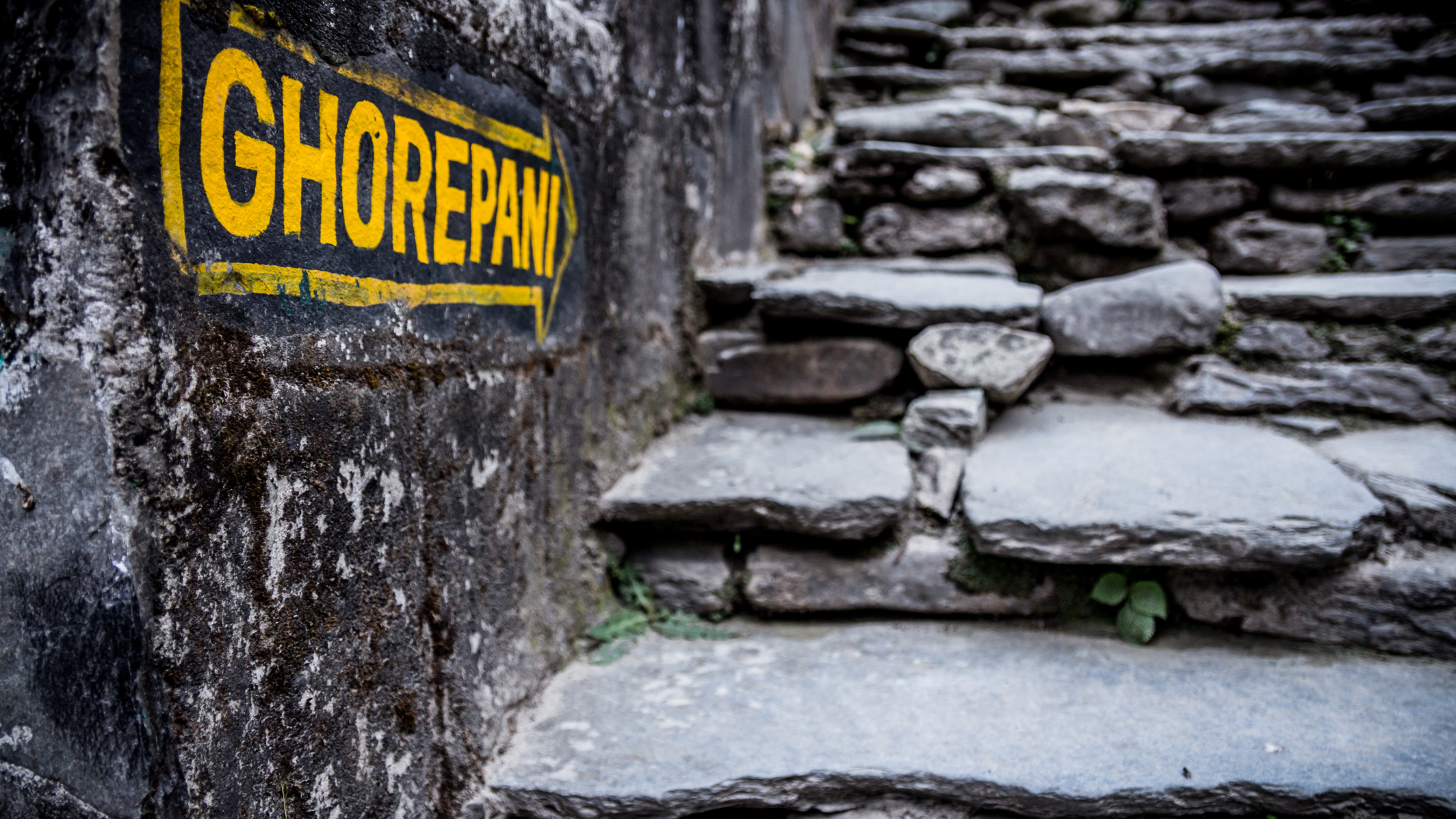
A rite of passage for every Annapurna hiker, the climb from Tikhedhunga to Ulleri consists of more than 3,200 continuous stone-paved stairs. Climbing through terraces and waterfalls tests your leg strength, rewarded by immediate views of snowfields above.
Deep Forest Trails of Tadapani & Deurali
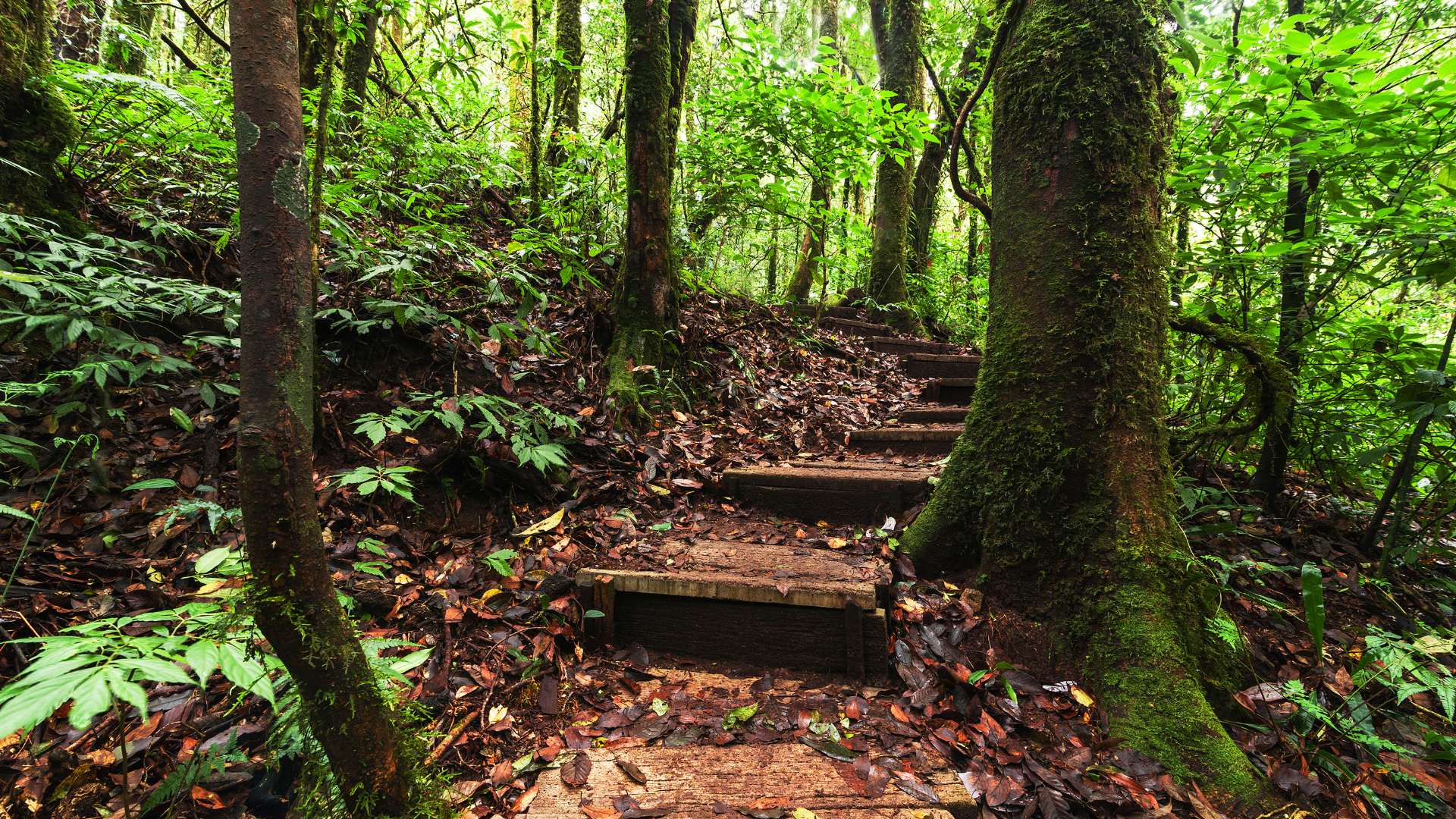
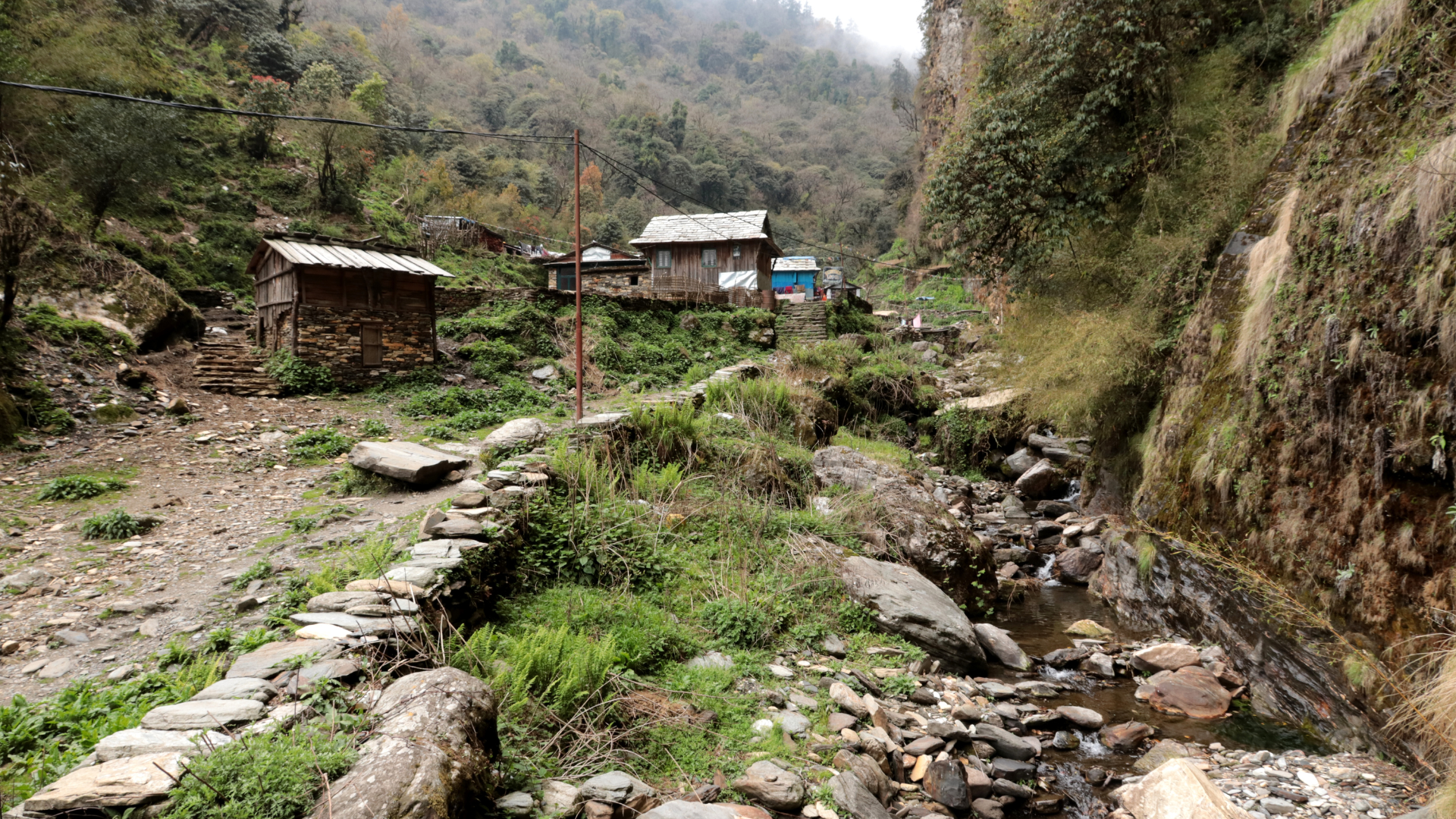
Between Ghorepani and Tadapani, the trail climbs up through rhododendron ridges, crossing misty gorges, babbling streams, and moss-draped forest canopies inhabited by langur monkeys and diverse alpine bird species.
Best Time and Season
Weather in the Annapurna foothills varies sharply between seasons:
- Autumn (September to November) – Peak Season:
- Crystal-clear skies, crisp air, and prime mountain visibility.
- Mild daytime temperatures (15°C to 20°C), dropping to 2°C to 6°C at night at higher elevations.
- Spring (March to May) – The Flowering Season:
- Forest trails are blanketed in blooming rhododendrons, magnolias, and wild orchids.
- Warmer days and lively wildlife, with slightly hazier afternoon horizons.
- Winter (December to February) – Quiet & Cold:
- Sharp, clear mornings with few other trekkers on the trail.
- Sub-zero overnight temperatures in Ghorepani, with occasional snowfall blocking upper ridges.
- Monsoon (June to August) – Not Recommended:
- Heavy rain brings slippery stone trails, frequent leeches, and thick clouds obscuring mountain views.
Trek Difficulty
The Ghorepani Ghandruk trek is classified as Moderate.
- Altitude: With a maximum sleeping elevation of 2,874 m (Ghorepani) and a morning high point of 3,210 m (Poon Hill), the risk of acute mountain sickness (AMS) is relatively low compared to treks like Annapurna Base Camp or Everest Base Camp.
- Terrain: Most of the trail features paved stone stairs and well-worn dirt paths.
- Physical Demand: Daily hikes range between 4 and 6 hours. The sustained climb up the Ulleri stairs and the steep descents toward Kimche can strain knees and calves.
How to Train for the Trek
Start training 4 to 6 weeks before your departure date:
- Stair Training: Because this trek features thousands of uphill and downhill steps, train on a StairMaster or climb flights of stadium/building stairs 3 times per week.
- Cardio Conditioning: Jogging, brisk hill-walking, cycling, or swimming 30–45 minutes daily will build steady aerobic stamina.
- Loaded Day Hikes: Take weekend day hikes wearing the exact hiking boots and daypack (weighing 5–7 kg) you plan to carry on the trail to break them in.
- Leg & Core Strengthening: Focus on squats, lunges, calf raises, and step-downs to build knee stability and joint resilience.
Things to Consider Before the Trek
- Permits: You must obtain two permits prior to entry: the ACAP (Annapurna Conservation Area Project) permit and the TIMS (Trekkers’ Information Management System) card. These are arranged in Kathmandu or Pokhara.
- Guide Regulations: Independent solo trekking without a licensed guide is restricted in many conservation zones across Nepal; hiring a government-certified guide ensures safety and supports the local economy.
- Cash Requirement: There are no functioning ATMs on the trail once you leave Pokhara. Bring enough Nepalese Rupees (NPR 3,000–4,000 per person per day) for snacks, hot showers, Wi-Fi, and battery charging.
- Travel Insurance: Ensure your insurance policy explicitly covers trekking up to 3,500 meters, including emergency medical evacuation.
Detail Itinerary
Drive: ~6–7 hours by tourist bus.
Arrive in the lakeside city of Pokhara. Spend the afternoon strolling along Phewa Lake, resting, and doing last-minute gear rentals or shopping in Lakeside.
Drive: 1.5 hours to Nayapul / Birethanti (checkpoint).
Trekking Time: 4–5 hours | Distance: ~10 km.
Cross the suspension bridge over the Modi Khola and follow the trail along the Bhurungdi River via Tikhedhunga. Tackle the legendary stone staircase up to the ridgeline village of Ulleri.
Trekking Time: 4–5 hours | Distance: ~8 km.
Ascend through cool oak and rhododendron canopies, crossing crystal creeks and small tea stalls at Banthanti and Nangethanti before arriving at the colorful village of Ghorepani.
Trekking Time: 5–6 hours | Distance: ~12 km.
Wake up at 4:30 AM for the 45-minute headlamp hike to the Poon Hill summit. Witness the sunrise illuminating Dhaulagiri, Annapurna I, and Machhapuchhre. Return to Ghorepani for breakfast, then trek across ridgelines and through shaded forest ravines to Tadapani.
Trekking Time: 3–4 hours | Distance: ~6 km.
A steady descent through forested paths brings you to Ghandruk by midday. Spend your afternoon visiting the Gurung Cultural Museum, walking past traditional homes, and relaxing at outdoor teahouses looking out at Annapurna South.
Trekking Time: 3 hours | Drive: 1.5 hours.
Walk down past terraced rice paddies to Kimche or Nayapul. Board private transport or local shared jeeps back to Pokhara. Enjoy an evening meal and celebratory drinks by Phewa Lake.
Travel: 6–7 hours by tourist coach or 25-minute return flight to Kathmandu.
Return to the capital for your departure flight or onward adventures in Nepal.
Necessary Equipment & Gear
Clothing & Layering
- Moisture-wicking base layers (2 synthetic or merino wool tops)
- Trekking shirts (lightweight, quick-dry)
- Fleece jacket or mid-layer sweater
- Packable down jacket (for chilly mornings on Poon Hill)
- Waterproof/windproof shell jacket and rain trousers
- Convertible hiking pants (1–2 pairs)
- Warm beanie, buff/neck gaiter, and sun hat
- Lightweight fleece gloves
Footwear & Support
- Sturdy, broken-in trekking boots with solid ankle support
- 3–4 pairs of merino wool or synthetic hiking socks
- Camp shoes or lightweight sandals for evening lodges
- Adjustable trekking poles (essential for absorbing knee impact on stone descents)
Accessories & Personal Care
- 25L–35L daypack with rain cover
- 2 x 1-liter reusable water bottles with water purification tablets or filter
- Headlamp with spare batteries (mandatory for the 4:30 AM Poon Hill ascent)
- High SPF sunscreen, lip balm, and polarized sunglasses
- Compact quick-dry microfiber towel
- Personal first-aid kit: blister pads/moleskin, Diamox (precautionary), rehydration salts, ibuprofen, and knee supports
Includes/Excludes
Cost Includes
- Annapurna Conservation Area Permit (ACAP) and TIMS permit fees.
- Ground transportation between Kathmandu, Pokhara, and the trek starting/ending points.
- Teahouse accommodation during the trek (twin-sharing rooms).
- Standard daily meals on the trek (Breakfast, Lunch, Dinner).
- Licensed, English-speaking trekking guide and porters (usually 1 porter per 2 trekkers).
- Official government taxes, tourist service charges, and guide/porter insurance.
Cost Excludes
- International flights to/from Kathmandu and Nepal entry visa fees.
- Travel, medical, and emergency evacuation insurance.
- Personal expenses (bar bills, soft drinks, bottled water, snacks, laundry).
- Teahouse add-ons: hot gas/bucket showers, device charging, and Wi-Fi access.
- Personal trekking gear and equipment rentals.
- Tips and gratuities for trekking guides, porters, and drivers.