Trip Overview
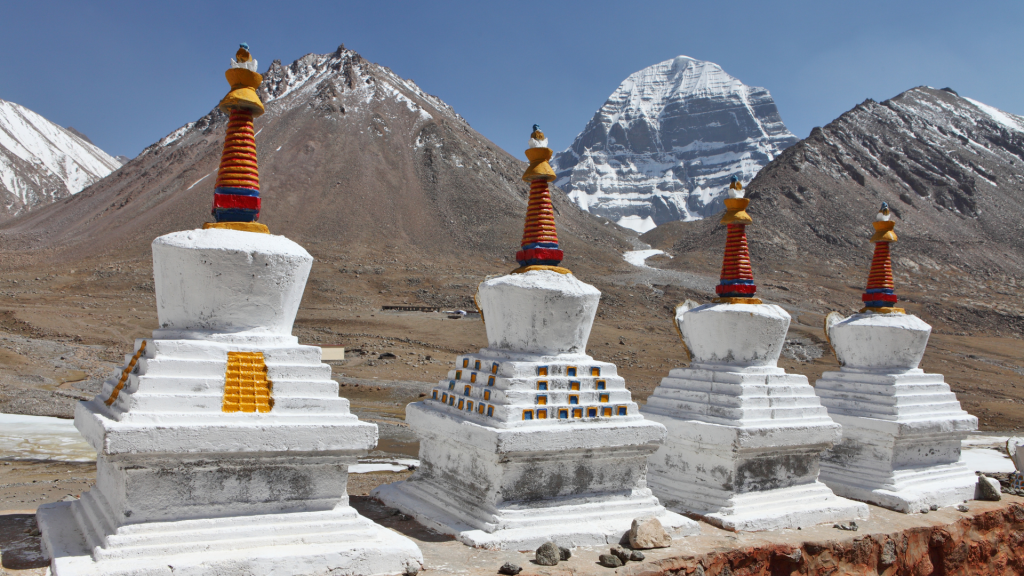
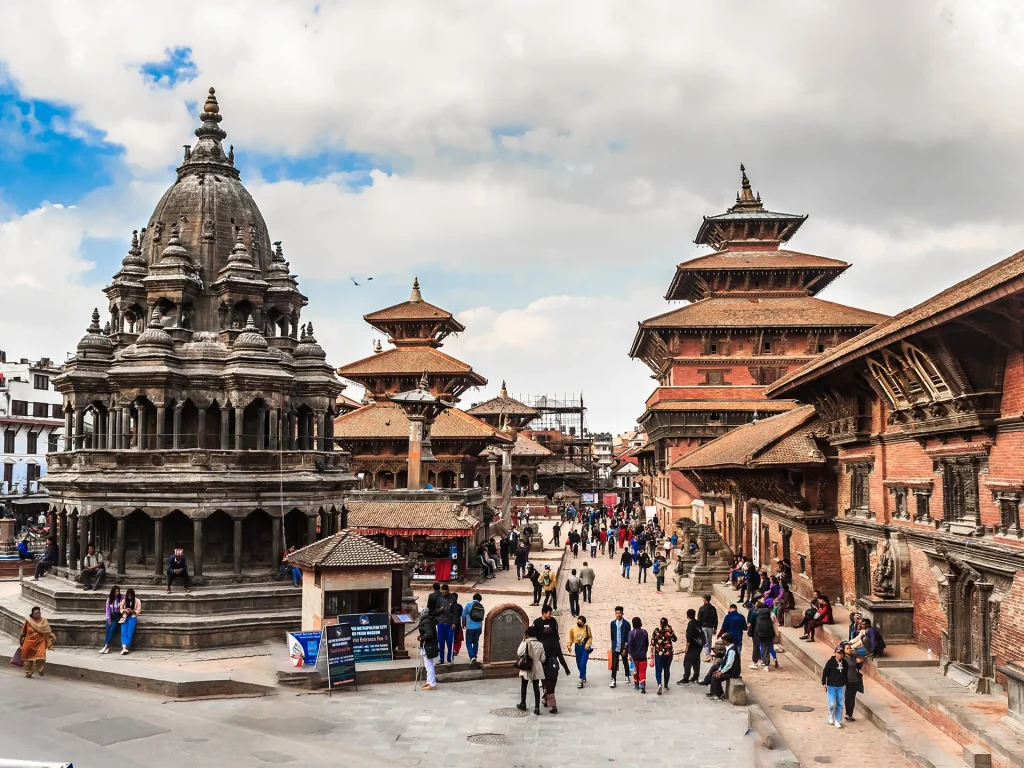
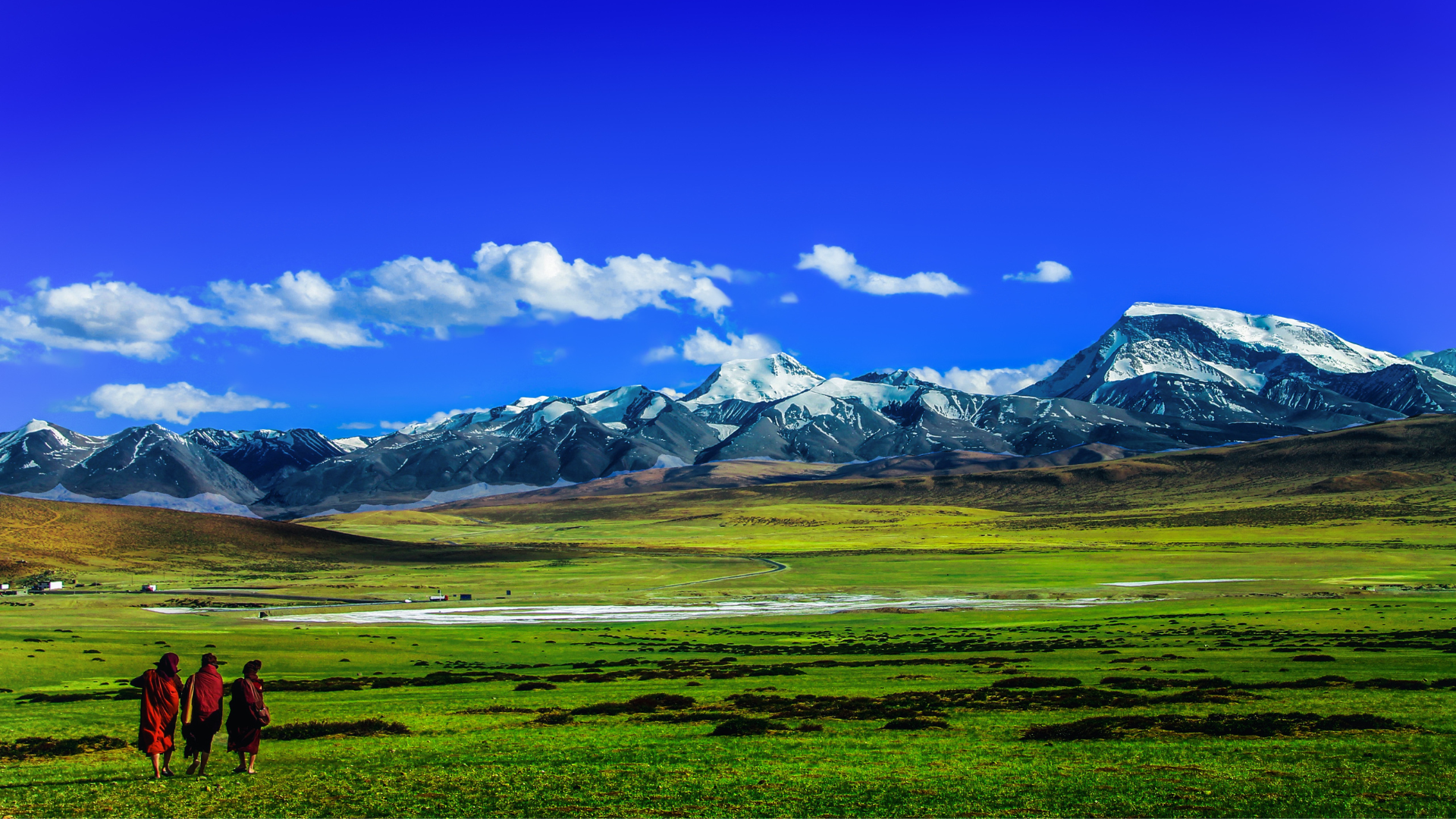
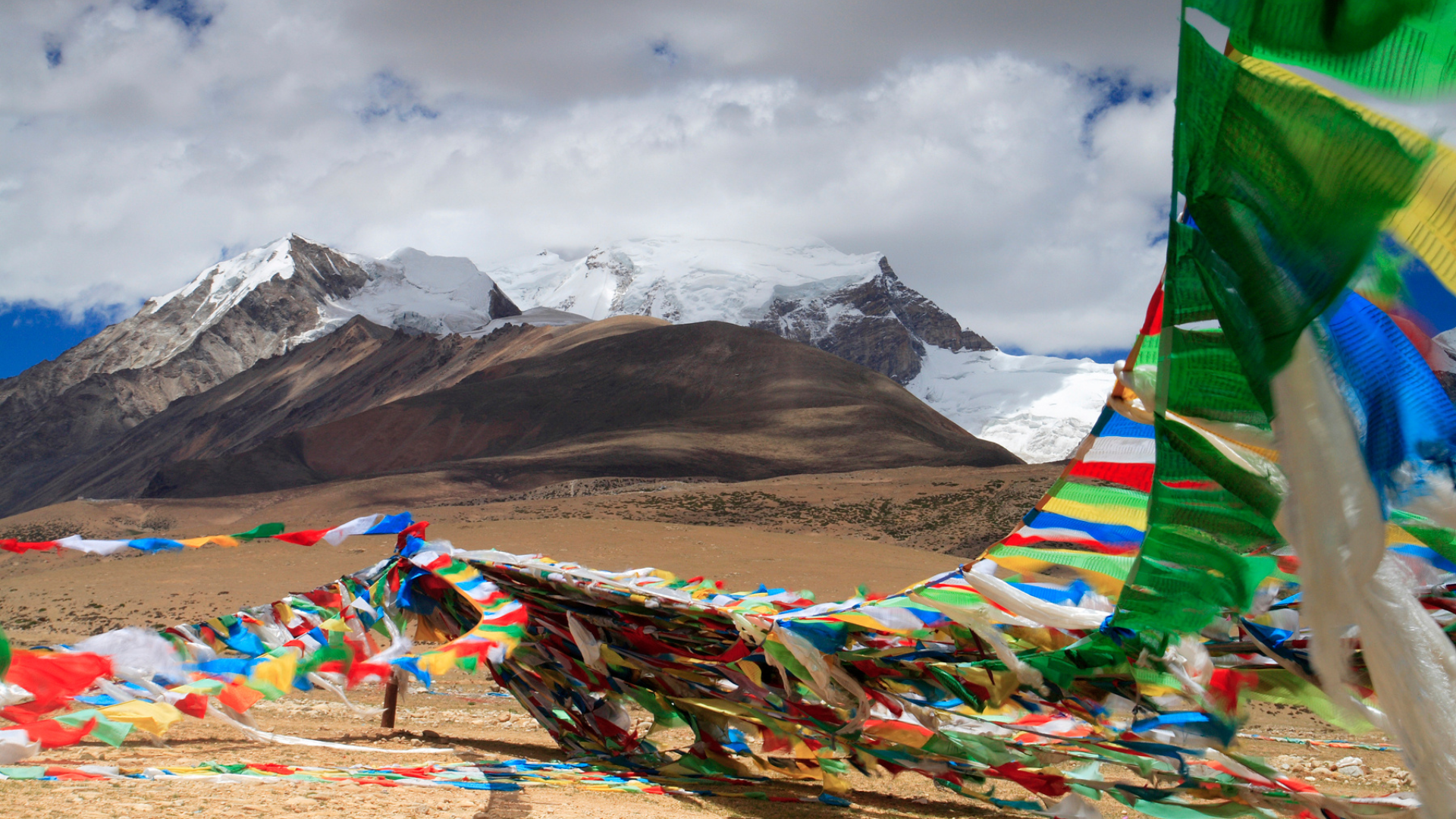
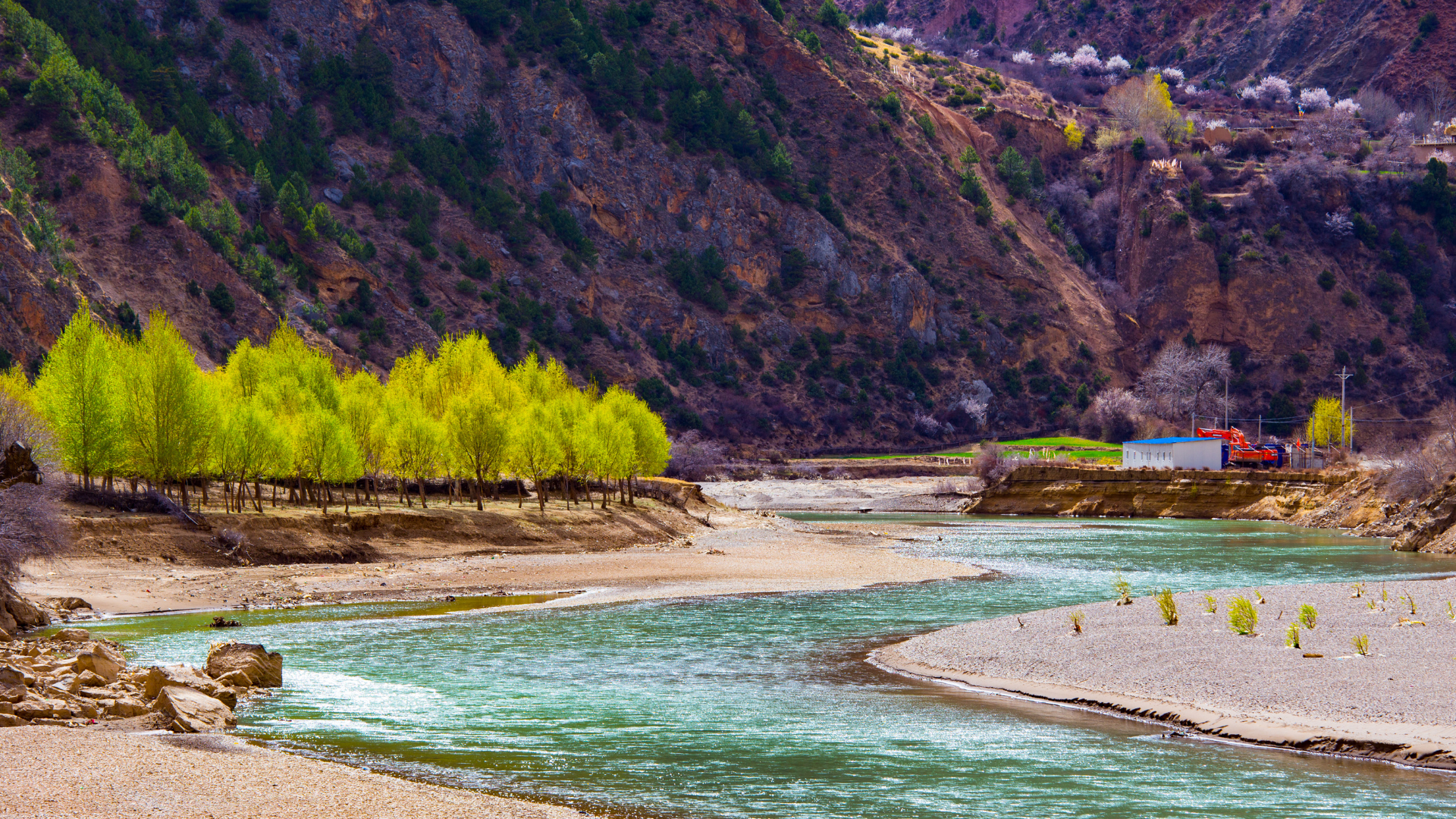
The EBC and Lhasa Trip is a 15-day cross-border odyssey that begins in Kathmandu, Nepal, and flies deep into the heart of the Tibetan Plateau. Unlike the trek on the Nepal side, the journey to the North Base Camp in Tibet is primarily an overland expedition, allowing you to witness the dramatic transition from the lush Kathmandu Valley to the high-desert landscapes of Tibet. You will explore ancient monasteries, turquoise holy lakes, and nomadic settlements before standing at the foot of the world’s highest peak at Rongbuk.
Trip Highlights
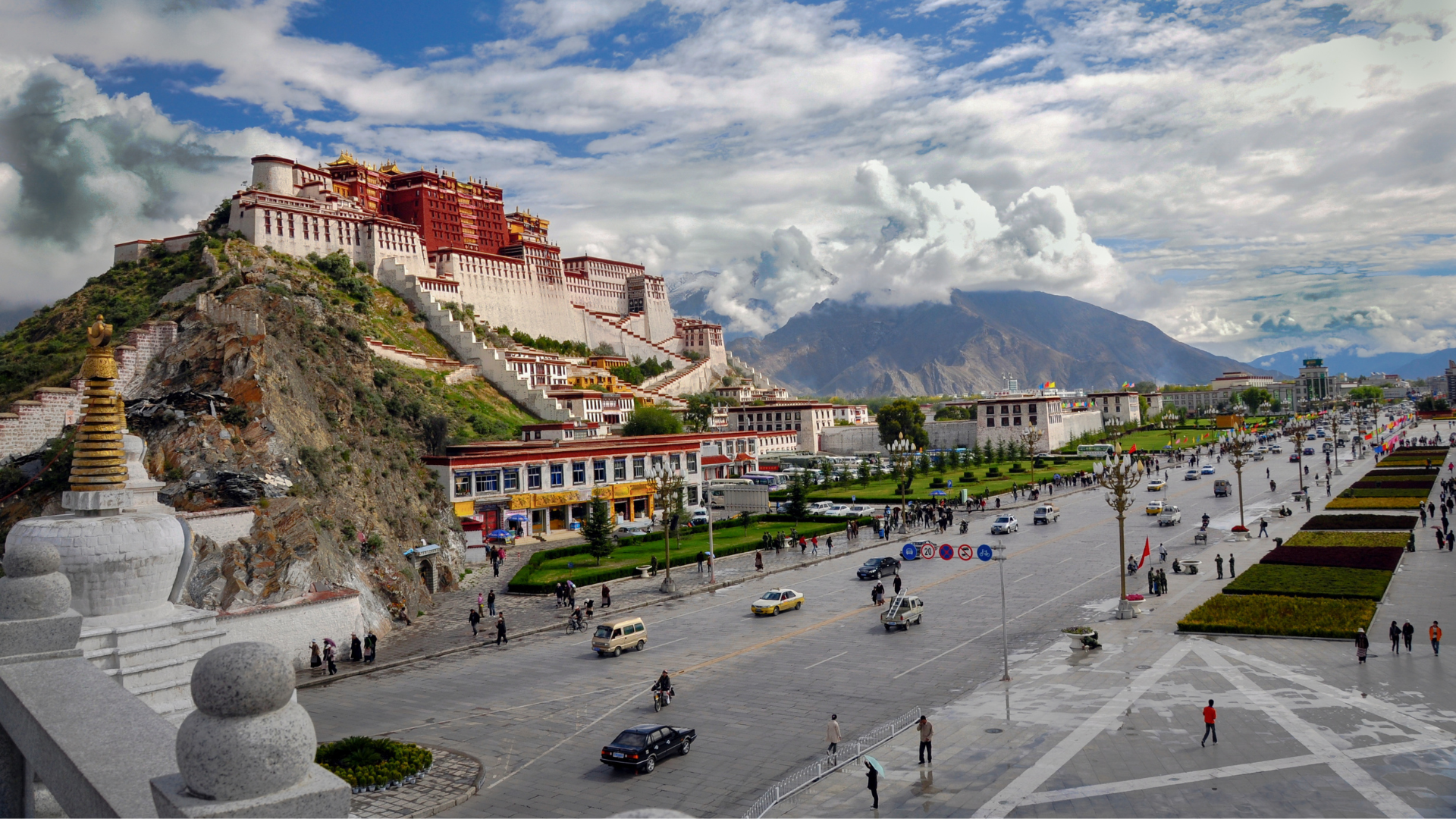
Potala Palace: Explore the architectural wonder and former winter residence of the Dalai Lamas.
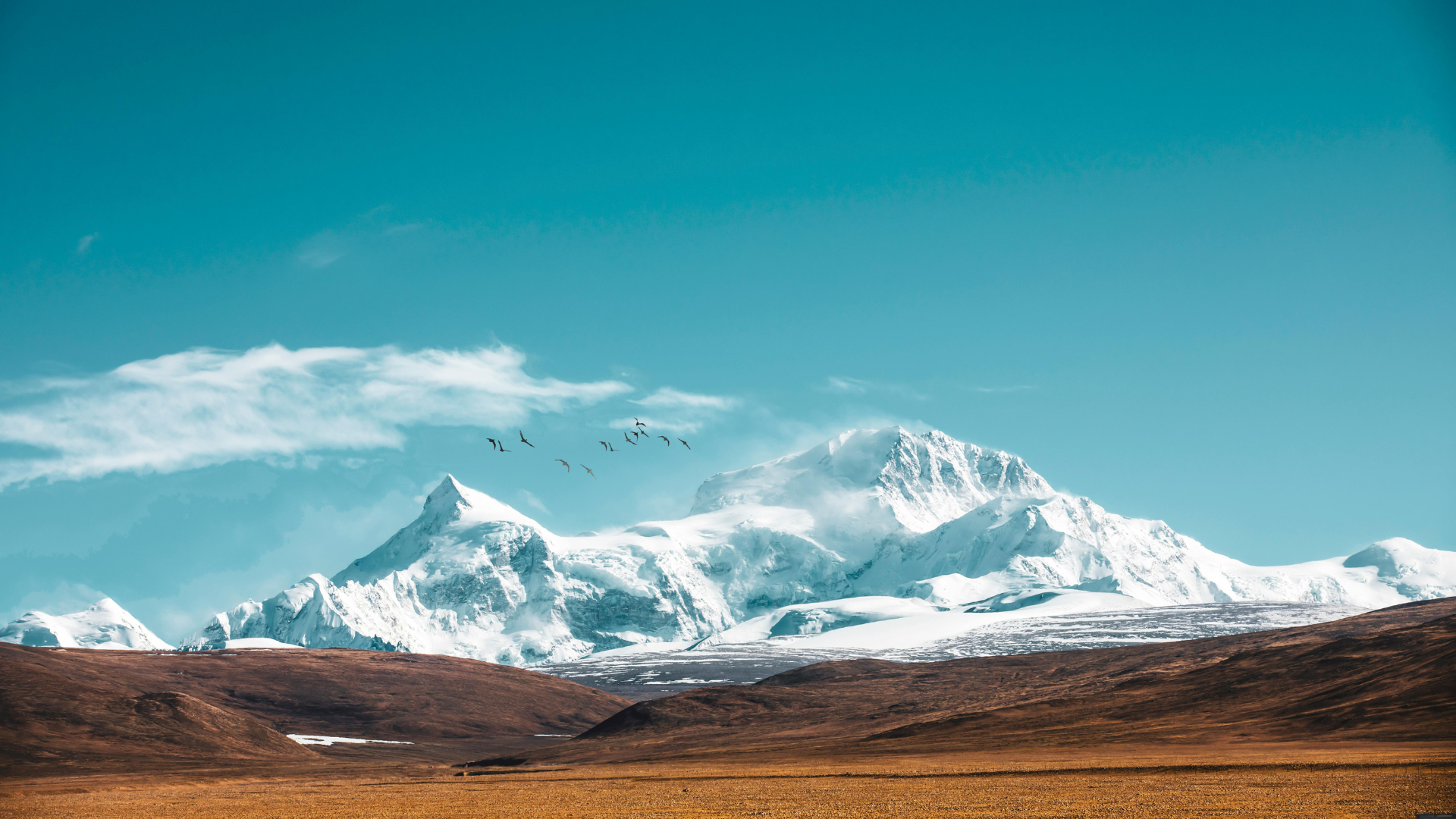
Everest North Face (EBC): Stand at 5,200 meters for a clear, unobstructed view of the Everest summit.
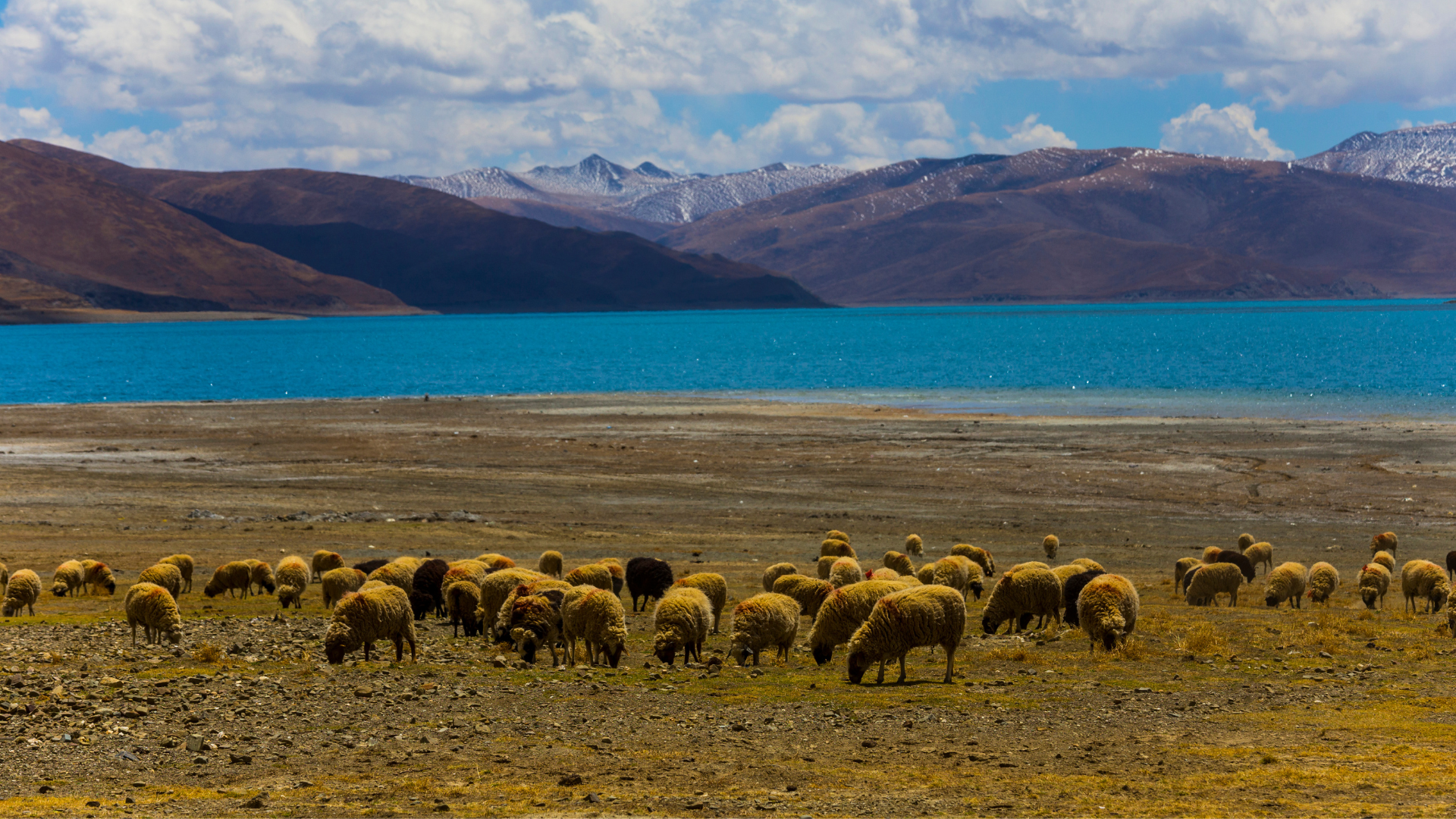
Yamdrok-Tso Lake: Gaze upon one of Tibet’s three most sacred lakes, known for its stunning turquoise water.
Rongbuk Monastery: Visit the highest monastery in the world, a spiritual gateway to Everest.
Barkhor Street: Join hundreds of pilgrims on their daily “Kora” (prayer circuit) around the Jokhang Temple.
Kathmandu Heritage: Discover the UNESCO World Heritage sites of Nepal’s capital.
Top Attractions of the Trip
Jokhang Temple (Lhasa): The spiritual heart of Tibetan Buddhism, housing the sacred Jowo Shakyamuni statue.
Kumbum Stupa (Gyantse): A multi-storied “100,000 Buddha” stupa, a masterpiece of Tibetan art.
Sera Monastery: Famous for the spirited afternoon debates held by monks in the courtyard.
Karo-la Glacier: A high-altitude glacier that hangs dramatically near the roadside.
Boudhanath Stupa (Kathmandu): One of the largest stupas in the world and a hub for the Tibetan community in Nepal.
Best Time and Season
Spring (April to June): The “golden window” for Everest views. The weather is stable, and the visibility is at its peak for seeing the North Face.
Autumn (September to November): Crisp, clear skies follow the monsoon. This is the best time for photography and visiting the monasteries.
Summer (July to August): The monsoon season in the Himalayas. While Tibet stays relatively dry, clouds may obscure the mountain peaks.
Winter (December to March): Extremely cold with potential road closures due to snow. This is the off-season, offering solitude but requiring heavy-duty gear.
Trip Difficulty
This trip is rated Moderate to Demanding. While there is no long-distance trekking involved (most of the travel is by private vehicle), the altitude is a significant challenge. Staying overnight at 5,000 meters in Rongbuk requires excellent acclimatization and physical health.
How to Train for the Trip
Cardio Health: Engage in swimming, cycling, or jogging for 45 minutes, 3–4 times a week, to improve oxygen efficiency.
Leg Strength: Practice walking on inclines or using a stair-climber to prepare for the steps at Potala Palace and light hiking at EBC.
Breathwork: Basic pranayama or deep-breathing exercises can help your body adapt to thinner air.
Things to Consider Before the Trip
Tibet Travel Permit: You cannot enter Tibet independently. All permits must be arranged through a licensed agency at least 20–30 days in advance.
Group Visa: If entering Tibet from Nepal, you will need a specialized Chinese Group Visa issued in Kathmandu.
Altitude Sickness: Consult your doctor about Diamox and stay hydrated. Drink 3–4 liters of water daily.
Currency: You will need Nepalese Rupees (NPR) for Kathmandu and Chinese Yuan (CNY) for Tibet.
Necessary Equipment & Gear
Clothing: Heavy down jacket (rated for -15°C), thermal base layers, and windproof trousers.
Footwear: Broken-in hiking boots for EBC and comfortable walking shoes for Lhasa.
Protection: Polarized sunglasses (essential for snow glare), high-SPF sunscreen, and lip balm.
Electronics: A high-capacity power bank (cold drains batteries fast) and a universal adapter.
Detailed Itinerary
Duration: 1 hr (Transfer)
Max. Altitude: 1,400 Meter.
Upon arrival at Tribhuvan International Airport, you will be met by our representative and transferred to your hotel. After settling in, you can take a leisurely walk through Thamel, the heart of the tourist district. This is a perfect time to buy any last-minute gear or simply enjoy a meal at one of the many international restaurants. Overnight in Kathmandu.
Duration: 6-7 hrs
Max. Altitude: 1,400 Meter.
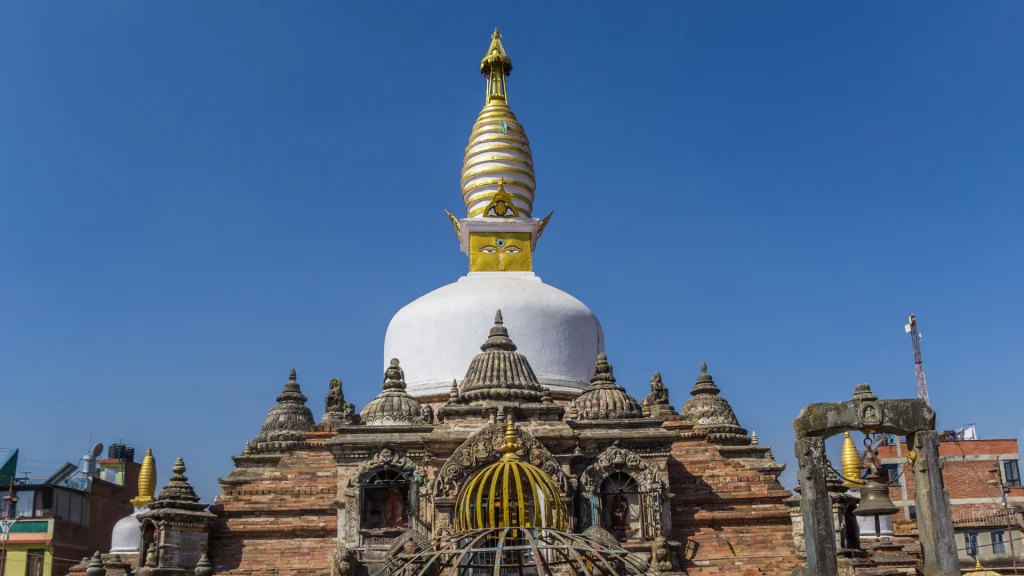
Today is dedicated to exploring the ancient roots of Nepal. You will visit Pashupatinath, the most sacred Hindu temple in the country, and Boudhanath Stupa, a massive Buddhist monument. These sites provide a spiritual introduction to the Himalayan region. In the afternoon, you will head to Swayambhunath (the Monkey Temple) for a panoramic view of the city.
Duration: 5-6 hrs
Max. Altitude: 1,400 Meter.
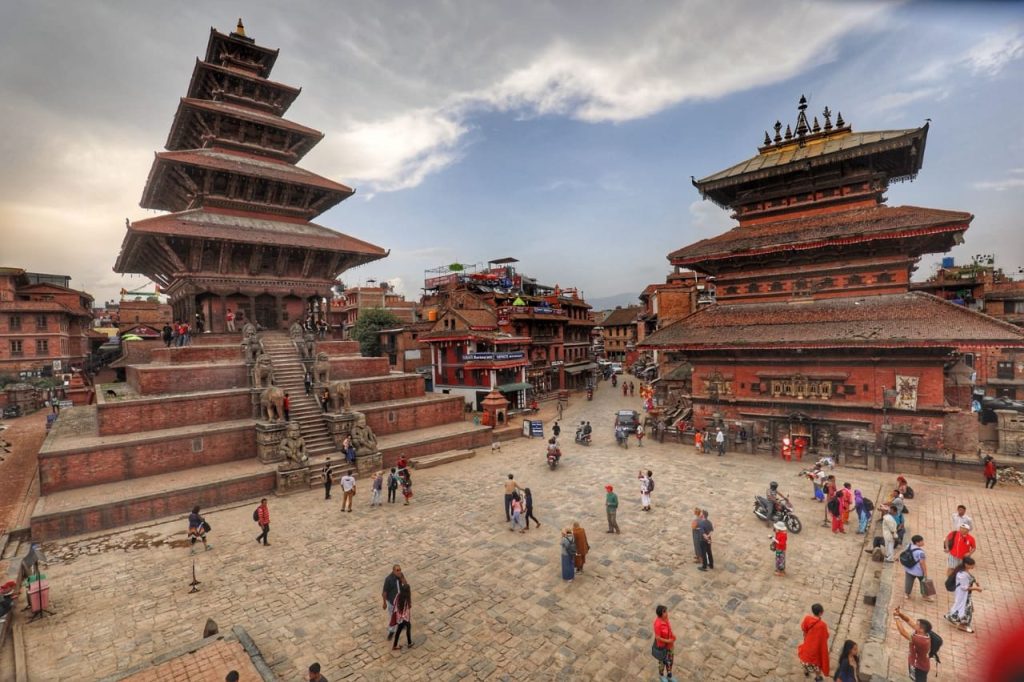
Explore the medieval beauty of Patan Durbar Square, famous for its Newari architecture and intricate metalwork. You will also visit the ancient city of Bhaktapur, known as the "City of Devotees," where the cobblestone streets and 55-window palace take you back in time. This day also serves as a final briefing and preparation for your flight to the plateau.
Duration: 4-5 hrs
Max. Altitude: 1,400 Meter.
A final day in Kathmandu allows for the processing of your Tibet Group Visa. You may visit the Budhanilkantha (Sleeping Vishnu) temple or spend time in the Garden of Dreams for a peaceful escape. The evening is yours to pack and prepare for the high-altitude transition.
Duration: 1 hr (Flight)
Max. Altitude: 3,650 Meter.
Take a breathtaking flight over the Himalayas to Lhasa Gonggar Airport. Upon arrival, you will be driven to your hotel in Lhasa. The most important task today is rest. To avoid altitude sickness, keep physical activity to a minimum, drink plenty of water, and allow your body to adjust to the 3,650m elevation.
Duration: 5-6 hrs
Max. Altitude: 3,650 Meter.
Begin your Tibetan journey at the Jokhang Temple, the spiritual epicenter of the country. Afterward, join the sea of pilgrims on Barkhor Street. This circular market street is a sensory overload of incense, chanting, and traditional Tibetan handicrafts. It is the perfect place to witness the devotion of the local people as they perform their ritual circumambulations.
Duration: 6-7 hrs
Max. Altitude: 3,700 Meter.
Today you visit the Potala Palace, the iconic fortress-palace that dominates the Lhasa skyline. You will climb the stone steps to explore the Red and White palaces, filled with jeweled stupas and sacred murals. In the afternoon, visit Norbu Lingka, the "Jeweled Park," which served as the summer residence of the Dalai Lamas and features the largest man-made garden in Tibet.
Duration: 6-7 hrs
Max. Altitude: 3,800 Meter.
Visit Drepung Monastery, once the world's largest monastery housing over 10,000 monks. In the afternoon, head to Sera Monastery to witness the famous "Monk Debates." In the rose-filled courtyard, monks engage in rhythmic, loud, and physical philosophical debates, a key part of their theological training.
Duration: 6-7 hrs
Max. Altitude: 4,990 Meter (Kamba La Pass).
The drive toward Gyantse is one of the most scenic in the world. You will cross the Kamba La Pass (4,794m) for your first view of the scorpion-shaped Yamdrok-Tso Lake. Along the way, you will also see the Karo-la Glacier and visit the Ralung Monastery, an ancient site of the Drukpa Kagyu lineage, before reaching the historic town of Gyantse.
Duration: 5-6 hrs
Max. Altitude: 4,300 Meter.
Visit the Pelkor Chode Monastery and the towering Kumbum Stupa, featuring nine tiers of chapels. Then, continue the drive to Sakya. Here you will explore the Sakya Monastery, known as the "Second Dunhuang" for its massive collection of medieval Buddhist scriptures and its unique grey-and-red fortified walls.
Duration: 5-6 hrs
Max. Altitude: 5,200 Meter.
Today you enter the Qomoloangma National Park. The drive takes you over the Pang La Pass (5,250m) for a view of five of the world's highest peaks. You will reach Rongbuk, the highest monastery in the world, and proceed to the North Base Camp. Standing before the massive North Face of Everest as the sun sets is a life-changing experience. Overnight in the rugged but cozy Rongbuk guest house.
Duration: 7-8 hrs
Max. Altitude: 5,200 Meter.
After catching the sunrise over Everest, you will retrace your route back toward Shigatse. On the way, you will stop to visit the Phuntsoling Monastery, a hidden gem known for its ancient stupas and quiet atmosphere. You will arrive in Shigatse, Tibet’s second-largest city, for a well-deserved night of comfort in a hotel.
Duration: 6 hrs
Max. Altitude: 3,900 Meter.
In the morning, visit the Tashilhunpo Monastery, the seat of the Panchen Lama. It houses a 26-meter-tall golden statue of the Future Buddha. Afterward, you will drive back to Lhasa along the Friendship Highway, following the Yarlung Tsangpo River (Brahmaputra). This is your final evening in the holy city.
Duration: 1 hr (Flight)
Max. Altitude: 1,400 Meter.
Transfer to Lhasa airport for your return flight to Kathmandu. Upon arrival, you will be transferred back to your hotel. This is an ideal evening for a celebratory farewell dinner in Kathmandu to toast your successful journey to the roof of the world.
Duration: 1 hr (Transfer)
Max. Altitude: 1,400 Meter.
After breakfast, our representative will provide a private transfer to the airport for your flight home. You leave with a heart full of memories and the satisfaction of having stood at the foot of the highest mountain on Earth.
Includes/Excludes
Cost Includes
- Tibet Travel Permit and Everest National Park permits.
- Kathmandu - Lhasa - Kathmandu round-trip airfare.
- Accommodation in 3-star hotels (cities) and best available guest houses (EBC).
- Daily breakfast in cities; all meals at EBC.
- Licensed English-speaking Tibetan and Nepali guides.
- Private transportation throughout the trip.
- All entrance fees for monasteries and palaces.
Cost Excludes
- Chinese Group Visa (approx. $114 - $230 depending on nationality).
- Nepal Entry Visa ($30 - $50).
- Lunch and Dinner in Lhasa, Shigatse, and Kathmandu.
- Travel Insurance (Mandatory, must cover high-altitude evacuation).
- Tips for guides and drivers.